
All Insights
Articles
Secure Data Protection With AI Voice Agent: Expert Guide to Encryption and Privacy Standards
Secure Data Protection With AI Voice Agent: Expert Guide to Encryption and Privacy Standards
Secure Data Protection With AI Voice Agent: Expert Guide to Encryption and Privacy Standards
Learn how Brilo AI voice agents for secure data protection streamline processes, improve encryption, and ensure compliance.
AI voice agents are becoming essential for automating customer service, but they handle sensitive data that requires protection. As these systems collect personal information, it is crucial to secure the voice data exchanged during calls. Without proper safeguards, this data is vulnerable to breaches.
Encryption is a key method for protecting this data. By making voice data unreadable to unauthorized users, encryption ensures privacy and prevents interception. Privacy standards further regulate how this information is handled, ensuring it is used and stored responsibly.
For healthcare support, securing data builds trust with patients. Following encryption protocols and privacy regulations ensures that sensitive information remains protected.
What Is Data Protection in AI Voice Agents?
As AI voice systems handle increasing amounts of sensitive information, ensuring secure data protection is vital. These agents process everything from personal details to health data, which must be safeguarded against potential breaches. Data protection practices focus on encryption, access control, and strict compliance with privacy regulations.
Here are the key aspects of data protection in AI voice agents:
Voice Data Encryption: AI voice agents ensure data is encrypted during transmission, preventing unauthorized access to voice recordings and personal information.
Access Control: Only authorized users or systems can access sensitive voice data, ensuring strict control over who sees and uses this information.
Compliance With Regulations: AI voice systems adhere to privacy regulations such as GDPR, HIPAA, and CCPA, ensuring compliance and protecting users' rights.
Audit Trails For Data Integrity: By maintaining detailed records of data access, AI systems ensure accountability and preserve the integrity of each interaction.
Why Is Encryption Important for AI Voice Agent Security?
In AI voice systems, encryption plays a vital role in securing sensitive data from the moment it is captured. Voice data, whether it’s customer information or transaction details, must be protected against unauthorized access during transmission and storage. Without encryption, this data is vulnerable to breaches.
Here are the core reasons why encryption is critical for AI voice agents:
Data Protection During Transmission: Encryption ensures that voice data remains unreadable while being transmitted.
Prevents Unauthorized Access: Only authorized systems and personnel can decrypt the data, protecting it from leaks.
Compliance with Privacy Regulations: Encryption helps organizations meet legal requirements, such as GDPR and HIPAA, ensuring data privacy.
Secures Stored Data: Encryption safeguards data when stored, ensuring it’s not vulnerable even after the interaction is complete.
How Data Protection and Encryption Are Implemented in AI Voice Agents?
AI voice agents secure sensitive data using robust encryption methods and strict data protection practices. They employ techniques like AES‑256 encryption for stored data, real‑time encryption for transcriptions, and end‑to‑end encryption for interactions. Compliance with privacy regulations ensures secure handling, building trust, and protecting patient and customer information.
AES-256 Encryption for Voice Data
Patients are concerned about their sensitive health data being exposed. Without strong encryption, there’s a risk that personal details such as medical conditions, prescriptions, and identities could be intercepted or stolen. AES‑256 encryption provides a secure barrier, ensuring patients’ information is kept safe from unauthorized access.
AES-256 encryption secures data during transmission:
AES‑256 Encryption: Encrypts voice data during transmission to prevent unauthorized access or interception.
Data Protection During Transmission: Secures voice data as it travels between the user and AI systems.
Unbreakable Encryption: Ensures only authorized users with encryption keys can access the voice data.
Compliance with Standards: Meets privacy regulations to improve data protection efforts for healthcare applications.
Real-Time Encryption of Voice Transcriptions
Patients worry about voice data being vulnerable during transcription. If transcription data isn’t encrypted in real-time, sensitive information may be compromised. Without proper encryption, malicious actors can potentially access health details, leading to identity theft or privacy violations. Real-time encryption ensures the immediate protection of voice transcriptions.
Real-time encryption protects transcriptions during processing:
Real-Time Encryption: Encrypts voice data instantly to maintain confidentiality during transcription processing and storage.
Protection From Unauthorized Access: Prevents unauthorized third parties from viewing transcribed voice data in real-time.
Sensitive Data Security: Safeguards private health information, including patient details and medical terms.
Regulatory compliance: Ensures voice transcription complies with global privacy regulations and security standards.
Data Minimization Practices
Patients fear their personal data is being over-collected or unnecessarily stored. Data minimization practices address this by ensuring only essential information is collected, reducing the risk of exposure. Without such practices, patients’ private data may be retained longer than necessary, heightening concerns over unauthorized access or misuse of sensitive details.
Data minimization limits exposure by collecting only necessary data:
Essential Data Collection: Captures only necessary details to prevent overexposure of sensitive patient data.
Immediate Data Discard: Deletes unnecessary data after use, limiting exposure and reducing security risks.
Minimal Storage Practices: Reduce the amount of personal information stored in AI systems, increasing protection.
Security Improvement: Reduces the possibility of data breaches by only retaining vital, required information.
End-to-End Encryption for Secure Customer Interactions
Patients worry about unsecured interactions, fearing their voice data may be exposed during communication. Without end‑to‑end encryption, their conversations with AI voice agents could be intercepted. This leaves sensitive health information vulnerable to unauthorized access. End-to-end encryption ensures that data is securely protected from start to finish.
End-to-end encryption ensures secure customer interactions:
Encrypted Communication: Ensures data remains encrypted between the user’s device and the AI voice system.
Secure Data Privacy: Protects data during live customer interactions, preventing unauthorized interception or access.
Access Control: Only authorized systems can decrypt the voice data using specific encryption keys.
Comprehensive Security: Provides complete encryption protection, guaranteeing confidentiality for every interaction and transaction.
Compliance with Global Privacy Regulations
Patients are increasingly concerned about whether AI voice agents follow privacy laws like GDPR and HIPAA. If these regulations aren’t followed, patients’ personal and medical data could be mishandled or exposed. Compliance ensures that businesses are legally bound to protect patient information, addressing concerns about the improper use of data.
Compliance with regulations ensures proper data handling:
GDPR Compliance: Ensures voice agents meet strict data protection laws regarding patient information handling.
HIPAA Standards: Safeguard sensitive health data by ensuring AI voice systems comply with medical privacy regulations.
Regulatory Oversight: AI systems follow rules governing data storage, access, sharing, and patient consent.
Legal Security: Compliance with privacy laws helps businesses avoid fines and penalties while maintaining trust.
Building Trust Through Transparent Security Practices
Patients often feel uncertain about how their data is protected due to a lack of transparency. Without clear communication on security practices, there’s little trust in AI voice agents. Transparency about how data is handled and protected fosters trust, giving patients confidence that their information is secure and well-managed.
Transparency in security practices builds user confidence:
Security Transparency: Publicly shares encryption practices to show users how their data is protected.
Privacy Reporting: Clearly outlines data access policies and protocols for users to ensure confidentiality.
Customer Confidence: Transparency about security builds trust, assuring customers that their data is protected reliably.
Security As A Priority: Regular updates and audits demonstrate a business's commitment to securing user data.
What Are Privacy Standards and Regulations for AI Voice Agents?
Privacy standards and regulations are essential to ensure that AI voice agents securely process personal data. These regulations provide a framework for protecting sensitive information while ensuring compliance. Strict adherence helps businesses avoid legal risks and builds trust by ensuring data privacy in voice interactions.
Here are the key privacy standards and regulations:
GDPR Compliance: Ensures AI voice agents process personal data in alignment with European privacy laws.
HIPAA Regulations: Safeguard health information when voice agents process medical-related data securely and ethically.
Data Access Control: Limits access to sensitive data, ensuring only authorized personnel can view it.
User Consent Management: Ensures users control their personal information, providing transparency and fostering trust.
FAQs
How does encryption protect voice data in AI voice agents?
Encryption ensures that voice data remains secure during both transmission and storage. By using advanced encryption standards, voice data is protected from unauthorized access, making AI voice agents reliable for handling sensitive customer information. This technology guarantees that only authorized parties can access critical data.
Why is compliance with privacy regulations important for AI voice agents?
Compliance with privacy regulations ensures that AI voice systems securely handle sensitive data while protecting user privacy. By adhering to global standards, businesses reduce legal risks and improve customer trust. Strong compliance practices demonstrate a commitment to safeguarding customer information at every step.
What is the role of end-to-end encryption in voice agent security?
End-to-end encryption ensures that customer interactions remain completely secure, from start to finish. It protects data by encrypting it at every stage, making it unreadable to unauthorized parties. This level of protection boosts customer confidence, ensuring private conversations are safe throughout their interaction.
How does real-time encryption work in AI voice agents?
Real-time encryption protects voice data as it’s being processed. The encryption occurs instantly, ensuring that sensitive information remains protected while the AI converts speech into text. This method secures customer interactions immediately, preventing unauthorized access and supporting secure, real-time communication with users.
Ensure Secure Data Protection in AI Voice Agents with Brilo AI
AI voice agents are essential for securely handling sensitive data and ensuring compliance with regulations. With advanced encryption and strict privacy standards, these systems protect personal information from unauthorized access.
By implementing robust security measures, businesses can trust that their data remains safe throughout the entire process. Brilo AI Voice Agents provide seamless protection while improving operational efficiency.
Ready to improve your data security? Book a call today and experience how our solution ensures privacy and compliance.
All Insights
Articles
Secure Data Protection With AI Voice Agent: Expert Guide to Encryption and Privacy Standards
Learn how Brilo AI voice agents for secure data protection streamline processes, improve encryption, and ensure compliance.
AI voice agents are becoming essential for automating customer service, but they handle sensitive data that requires protection. As these systems collect personal information, it is crucial to secure the voice data exchanged during calls. Without proper safeguards, this data is vulnerable to breaches.
Encryption is a key method for protecting this data. By making voice data unreadable to unauthorized users, encryption ensures privacy and prevents interception. Privacy standards further regulate how this information is handled, ensuring it is used and stored responsibly.
For healthcare support, securing data builds trust with patients. Following encryption protocols and privacy regulations ensures that sensitive information remains protected.
What Is Data Protection in AI Voice Agents?
As AI voice systems handle increasing amounts of sensitive information, ensuring secure data protection is vital. These agents process everything from personal details to health data, which must be safeguarded against potential breaches. Data protection practices focus on encryption, access control, and strict compliance with privacy regulations.
Here are the key aspects of data protection in AI voice agents:
Voice Data Encryption: AI voice agents ensure data is encrypted during transmission, preventing unauthorized access to voice recordings and personal information.
Access Control: Only authorized users or systems can access sensitive voice data, ensuring strict control over who sees and uses this information.
Compliance With Regulations: AI voice systems adhere to privacy regulations such as GDPR, HIPAA, and CCPA, ensuring compliance and protecting users' rights.
Audit Trails For Data Integrity: By maintaining detailed records of data access, AI systems ensure accountability and preserve the integrity of each interaction.
Why Is Encryption Important for AI Voice Agent Security?
In AI voice systems, encryption plays a vital role in securing sensitive data from the moment it is captured. Voice data, whether it’s customer information or transaction details, must be protected against unauthorized access during transmission and storage. Without encryption, this data is vulnerable to breaches.
Here are the core reasons why encryption is critical for AI voice agents:
Data Protection During Transmission: Encryption ensures that voice data remains unreadable while being transmitted.
Prevents Unauthorized Access: Only authorized systems and personnel can decrypt the data, protecting it from leaks.
Compliance with Privacy Regulations: Encryption helps organizations meet legal requirements, such as GDPR and HIPAA, ensuring data privacy.
Secures Stored Data: Encryption safeguards data when stored, ensuring it’s not vulnerable even after the interaction is complete.
How Data Protection and Encryption Are Implemented in AI Voice Agents?
AI voice agents secure sensitive data using robust encryption methods and strict data protection practices. They employ techniques like AES‑256 encryption for stored data, real‑time encryption for transcriptions, and end‑to‑end encryption for interactions. Compliance with privacy regulations ensures secure handling, building trust, and protecting patient and customer information.
AES-256 Encryption for Voice Data
Patients are concerned about their sensitive health data being exposed. Without strong encryption, there’s a risk that personal details such as medical conditions, prescriptions, and identities could be intercepted or stolen. AES‑256 encryption provides a secure barrier, ensuring patients’ information is kept safe from unauthorized access.
AES-256 encryption secures data during transmission:
AES‑256 Encryption: Encrypts voice data during transmission to prevent unauthorized access or interception.
Data Protection During Transmission: Secures voice data as it travels between the user and AI systems.
Unbreakable Encryption: Ensures only authorized users with encryption keys can access the voice data.
Compliance with Standards: Meets privacy regulations to improve data protection efforts for healthcare applications.
Real-Time Encryption of Voice Transcriptions
Patients worry about voice data being vulnerable during transcription. If transcription data isn’t encrypted in real-time, sensitive information may be compromised. Without proper encryption, malicious actors can potentially access health details, leading to identity theft or privacy violations. Real-time encryption ensures the immediate protection of voice transcriptions.
Real-time encryption protects transcriptions during processing:
Real-Time Encryption: Encrypts voice data instantly to maintain confidentiality during transcription processing and storage.
Protection From Unauthorized Access: Prevents unauthorized third parties from viewing transcribed voice data in real-time.
Sensitive Data Security: Safeguards private health information, including patient details and medical terms.
Regulatory compliance: Ensures voice transcription complies with global privacy regulations and security standards.
Data Minimization Practices
Patients fear their personal data is being over-collected or unnecessarily stored. Data minimization practices address this by ensuring only essential information is collected, reducing the risk of exposure. Without such practices, patients’ private data may be retained longer than necessary, heightening concerns over unauthorized access or misuse of sensitive details.
Data minimization limits exposure by collecting only necessary data:
Essential Data Collection: Captures only necessary details to prevent overexposure of sensitive patient data.
Immediate Data Discard: Deletes unnecessary data after use, limiting exposure and reducing security risks.
Minimal Storage Practices: Reduce the amount of personal information stored in AI systems, increasing protection.
Security Improvement: Reduces the possibility of data breaches by only retaining vital, required information.
End-to-End Encryption for Secure Customer Interactions
Patients worry about unsecured interactions, fearing their voice data may be exposed during communication. Without end‑to‑end encryption, their conversations with AI voice agents could be intercepted. This leaves sensitive health information vulnerable to unauthorized access. End-to-end encryption ensures that data is securely protected from start to finish.
End-to-end encryption ensures secure customer interactions:
Encrypted Communication: Ensures data remains encrypted between the user’s device and the AI voice system.
Secure Data Privacy: Protects data during live customer interactions, preventing unauthorized interception or access.
Access Control: Only authorized systems can decrypt the voice data using specific encryption keys.
Comprehensive Security: Provides complete encryption protection, guaranteeing confidentiality for every interaction and transaction.
Compliance with Global Privacy Regulations
Patients are increasingly concerned about whether AI voice agents follow privacy laws like GDPR and HIPAA. If these regulations aren’t followed, patients’ personal and medical data could be mishandled or exposed. Compliance ensures that businesses are legally bound to protect patient information, addressing concerns about the improper use of data.
Compliance with regulations ensures proper data handling:
GDPR Compliance: Ensures voice agents meet strict data protection laws regarding patient information handling.
HIPAA Standards: Safeguard sensitive health data by ensuring AI voice systems comply with medical privacy regulations.
Regulatory Oversight: AI systems follow rules governing data storage, access, sharing, and patient consent.
Legal Security: Compliance with privacy laws helps businesses avoid fines and penalties while maintaining trust.
Building Trust Through Transparent Security Practices
Patients often feel uncertain about how their data is protected due to a lack of transparency. Without clear communication on security practices, there’s little trust in AI voice agents. Transparency about how data is handled and protected fosters trust, giving patients confidence that their information is secure and well-managed.
Transparency in security practices builds user confidence:
Security Transparency: Publicly shares encryption practices to show users how their data is protected.
Privacy Reporting: Clearly outlines data access policies and protocols for users to ensure confidentiality.
Customer Confidence: Transparency about security builds trust, assuring customers that their data is protected reliably.
Security As A Priority: Regular updates and audits demonstrate a business's commitment to securing user data.
What Are Privacy Standards and Regulations for AI Voice Agents?
Privacy standards and regulations are essential to ensure that AI voice agents securely process personal data. These regulations provide a framework for protecting sensitive information while ensuring compliance. Strict adherence helps businesses avoid legal risks and builds trust by ensuring data privacy in voice interactions.
Here are the key privacy standards and regulations:
GDPR Compliance: Ensures AI voice agents process personal data in alignment with European privacy laws.
HIPAA Regulations: Safeguard health information when voice agents process medical-related data securely and ethically.
Data Access Control: Limits access to sensitive data, ensuring only authorized personnel can view it.
User Consent Management: Ensures users control their personal information, providing transparency and fostering trust.
FAQs
How does encryption protect voice data in AI voice agents?
Encryption ensures that voice data remains secure during both transmission and storage. By using advanced encryption standards, voice data is protected from unauthorized access, making AI voice agents reliable for handling sensitive customer information. This technology guarantees that only authorized parties can access critical data.
Why is compliance with privacy regulations important for AI voice agents?
Compliance with privacy regulations ensures that AI voice systems securely handle sensitive data while protecting user privacy. By adhering to global standards, businesses reduce legal risks and improve customer trust. Strong compliance practices demonstrate a commitment to safeguarding customer information at every step.
What is the role of end-to-end encryption in voice agent security?
End-to-end encryption ensures that customer interactions remain completely secure, from start to finish. It protects data by encrypting it at every stage, making it unreadable to unauthorized parties. This level of protection boosts customer confidence, ensuring private conversations are safe throughout their interaction.
How does real-time encryption work in AI voice agents?
Real-time encryption protects voice data as it’s being processed. The encryption occurs instantly, ensuring that sensitive information remains protected while the AI converts speech into text. This method secures customer interactions immediately, preventing unauthorized access and supporting secure, real-time communication with users.
Ensure Secure Data Protection in AI Voice Agents with Brilo AI
AI voice agents are essential for securely handling sensitive data and ensuring compliance with regulations. With advanced encryption and strict privacy standards, these systems protect personal information from unauthorized access.
By implementing robust security measures, businesses can trust that their data remains safe throughout the entire process. Brilo AI Voice Agents provide seamless protection while improving operational efficiency.
Ready to improve your data security? Book a call today and experience how our solution ensures privacy and compliance.
Latest Insights
All Resources
Articles
Case Studies
Tutorials
May 20, 2026
Articles
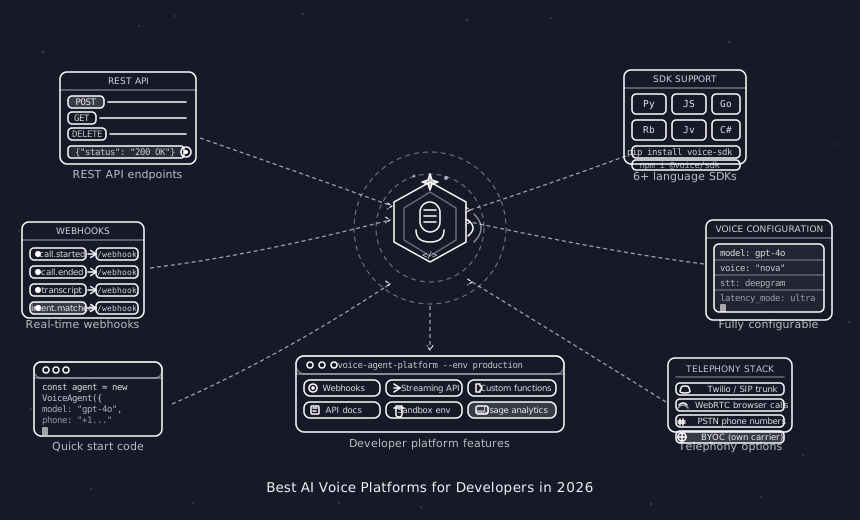
10 Best AI Voice Platforms for Developers in 2026 (Tested & Reviewed)
We tested 10 AI voice platforms for developers — API quality, latency architecture, BYOM flexibility, G2 reviews, and true cost compared for 2026.
May 20, 2026
Articles
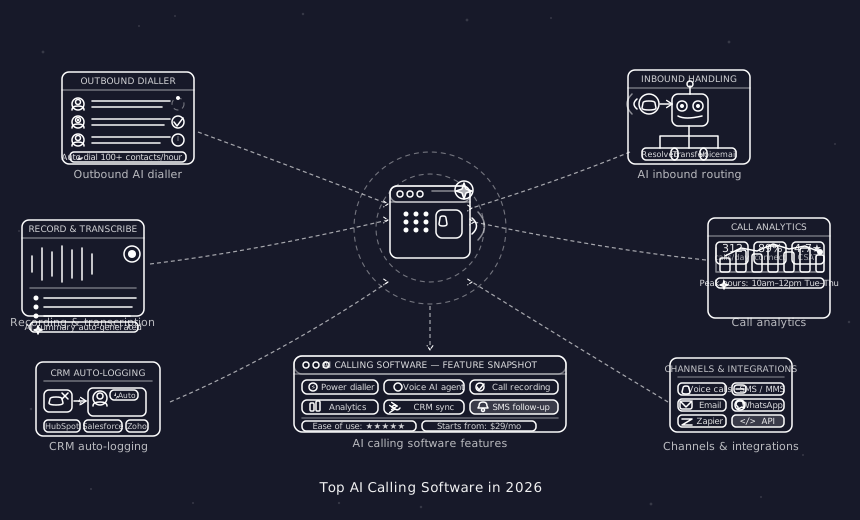
10 Top AI Calling Software Platforms in 2026 (Tested & Reviewed)
We tested 10 AI calling software platforms — autonomous agents vs. AI-augmented VoIP vs. dialers, G2 reviews, true pricing, and setup times compared for 2026.
Load More
Latest Insights
All Resources
Articles
Case Studies
Tutorials
May 20, 2026
Articles
10 Best AI Voice Platforms for Developers in 2026 (Tested & Reviewed)
We tested 10 AI voice platforms for developers — API quality, latency architecture, BYOM flexibility, G2 reviews, and true cost compared for 2026.
May 20, 2026
Articles
10 Top AI Calling Software Platforms in 2026 (Tested & Reviewed)
We tested 10 AI calling software platforms — autonomous agents vs. AI-augmented VoIP vs. dialers, G2 reviews, true pricing, and setup times compared for 2026.
Load More

Automate your business with AI phone Agents
Automate your business with AI phone Agents
Automate your business with AI phone Agents
Automate your business with AI phone Agents
Call automation for healthcare, real estate, logistics, financial services & small businesses.
Call automation for healthcare, real estate, logistics, financial services & small businesses.

Join Discord
Connect with our community, ask questions, and stay updated on product news.

Book a Call
Schedule a quick call with our team to explore solutions for your needs.
Get started
Industries
Usecases
Integrations
Legal & Community

Join Discord
Connect with our community, ask questions, and stay updated on product news.
Book a Call
Schedule a quick call with our team to explore solutions for your needs.
Get started
Industries
Usecases
Integrations
Legal & Community
Join Discord
Connect with our community, ask questions, and stay updated on product news.
Book a Call
Schedule a quick call with our team to explore solutions for your needs.
Get started
Industries
Usecases
Integrations
Legal & Community
Join Discord
Connect with our community, ask questions, and stay updated on product news.
Book a Call
Schedule a quick call with our team to explore solutions for your needs.
Get started
Industries
Usecases
Integrations
Legal & Community