
All Insights
Articles
How HIPAA Compliance Applies to AI Voice Agents in Healthcare Support?
Discover how HIPAA compliance voice AI for healthcare improves patient care, ensures data privacy, and streamlines workflows with secure, automated support.





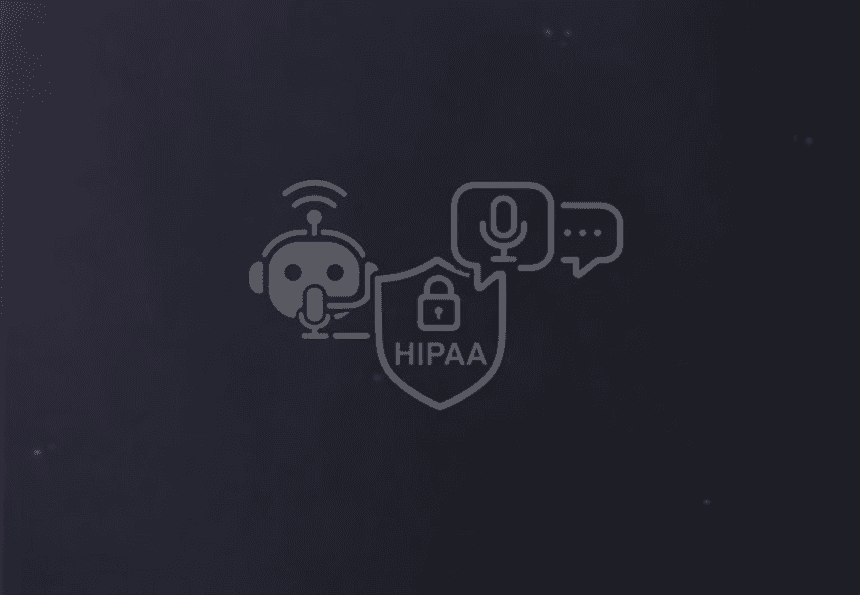
HIPAA regulations are vital when using AI voice agents in healthcare. HIPAA compliance voice AI healthcare ensures that patient data remains secure and protected. These regulations require healthcare organizations to manage patient interactions through secure, compliant systems.
AI voice agents must adhere to HIPAA's Privacy Rule, safeguarding patient health information (PHI) by preventing unauthorized access. Compliance includes using secure communications, encrypting data, and implementing authentication protocols.
Healthcare providers must integrate voice AI systems that align with HIPAA regulations to protect patient privacy. This compliance ensures that support is provided without risking legal penalties or breaches of confidentiality.
HIPAA Regulations That Apply to AI Voice Agents in Healthcare Support
AI voice agents in healthcare must adhere to key HIPAA rules, including protecting patient health information, ensuring secure data encryption, and maintaining audit trails. Compliance ensures patient confidentiality, prevents unauthorized access, and guarantees privacy while integrating voice AI into healthcare systems.
Protect Patient Health Information (PHI)
Patients are concerned about the security of their health data. AI voice agents must ensure HIPAA compliance in voice AI healthcare by safeguarding PHI during interactions. A breach of confidentiality could cause anxiety, mistrust, and a lack of confidence in AI systems. Ensuring data security helps protect patient privacy and maintain trust.
Voice AI agents are crucial in safeguarding patient data. They ensure:
Risk of unauthorized access: Without strict controls, unauthorized individuals may access sensitive PHI, leading to breaches of confidentiality.
Data leakage during interactions: Insecure systems may leak patient data during voice interactions, exposing private health information.
Lack of data encryption: Unencrypted voice data storage or transmission could be intercepted, compromising patient privacy and trust.
Unsecured third-party integrations: Integrating with third-party services without proper security checks could expose PHI to external risks.
Secure Data with Encryption
Patients worry about unauthorized access to their personal health information. Ensuring the best voice AI for healthcare HIPAA compliance means encrypting all voice data, both in transit and at rest. Without encryption, there is a risk of interception during calls, causing distress and potentially compromising patient privacy.
Voice AI systems ensure all patient data is encrypted. They secure:
Data theft during transmission: Without encryption, data is vulnerable to interception while in transit, increasing the risk of unauthorized access.
Unprotected stored data: Storing voice recordings and patient data without encryption leaves them open to cyberattacks and misuse.
Non-compliant security standards: Failing to encrypt voice data puts healthcare providers at risk of violating HIPAA regulations, leading to potential fines.
Loss of patient trust: When patients learn that their data isn't encrypted, they may avoid using AI services due to privacy and security concerns.
Maintain Access Controls and Audit Trails
Patients fear unauthorized individuals accessing their sensitive health information. To ensure AI voice agents' HIPAA compliance, healthcare organizations must implement strict access controls and maintain audit trails. These measures prevent unauthorized access and ensure accountability, ultimately preserving patient confidence in the system.
Voice AI systems manage access and track every interaction. They maintain:
Unauthorized access to PHI: Without proper access controls, unauthorized individuals could access and misuse patient data, risking HIPAA violations.
Ineffective user permissions: Inadequate user role definitions could give staff unnecessary access to PHI, breaching privacy protocols.
Inability to trace data misuse: Without audit trails, tracking data access becomes impossible, leaving healthcare systems vulnerable.
Non-compliant systems: Lack of access controls and audits leads to non-compliance with HIPAA standards, which may result in penalties or legal actions.
Follow the Privacy and Security Frameworks of HIPAA
Patients are concerned about how their personal health data is handled. By using HIPAA-compliant AI voice agents, healthcare providers align with the privacy and security frameworks required under HIPAA. This ensures that AI systems do not expose sensitive data and comply with regulatory requirements to protect patient privacy.
Voice AI agents must comply with HIPAA standards. They follow:
HIPAA violations: Non-compliance with HIPAA’s privacy and security frameworks can lead to serious legal consequences and costly penalties for healthcare providers.
Inadequate data protection: AI voice systems that don’t follow HIPAA guidelines expose patient data to potential misuse and unauthorized sharing.
Uncontrolled data sharing: If AI voice systems do not adhere to HIPAA's disclosure regulations, patient data could be shared without consent.
Reputation damage: Failing to comply with HIPAA damages a healthcare provider's reputation, leading to a loss of patient trust and business.
Integrate Securely with Healthcare Systems
Patients worry when AI voice agents are not properly integrated with existing healthcare systems. HIPAA compliance voice AI healthcare requires seamless and secure integration with electronic health records and practice management systems. Insecure integrations can lead to data breaches, compromising patient trust and safety in the system.
Voice AI systems must integrate seamlessly with healthcare platforms. They ensure:
Vulnerabilities in data transfer: When voice AI systems are not securely integrated with EHR or other systems, patient data could be exposed to cyber threats during transfers.
Disrupted workflows: Poor integration can create bottlenecks, delays, and errors, which disrupt care processes and negatively impact patient outcomes.
Interoperability challenges: Insecure integration with healthcare systems limits data access, disrupting information flow and causing inefficiencies.
Compliance breaches: Insecure integration points are potential sources of non-compliance, exposing healthcare providers to HIPAA violations and legal liabilities.
Implement Secure Authentication Methods
Patients are increasingly concerned about the security of their personal information. Best voice AI for HIPAA compliance utilizes secure authentication methods to verify the identity of patients and providers. Weak authentication increases the risk of unauthorized access to health information, leading to potential fraud and privacy violations.
Voice AI agents verify identities to protect patient data. They implement:
Identity theft risk: Weak or non-existent authentication methods increase the likelihood of unauthorized access, leading to identity theft or fraud.
Insecure login processes: Simple passwords or no multi-factor authentication leave AI systems vulnerable to hacking and unauthorized PHI access.
Failure to verify patients: Inadequate authentication may enable impersonation, leading to miscommunications or incorrect treatments.
Regulatory non-compliance: Not meeting HIPAA's authentication standards for healthcare systems can result in regulatory penalties and loss of patient trust.
Ensure Compliance with Business Associate Agreements (BAAs)
Patients fear that third-party vendors may mishandle their health data. Ensuring AI voice agents' HIPAA compliance through business associate agreements (BAAs) protects against this risk. BAAs guarantee that third-party service providers follow HIPAA regulations and safeguard patient data, preventing misuse or exposure of sensitive information.
Voice AI systems must meet compliance standards with third-party vendors. They ensure:
Third-party risks: Without a signed BAA, third-party AI voice agents may mishandle patient data, leading to breaches of privacy and trust.
Unclear data usage: If AI voice agents are not under a BAA, the scope of data usage and sharing remains unclear, increasing the risk of violations.
Vendor accountability issues: Lack of formal agreements means healthcare providers may have no recourse if their AI vendors fail to follow HIPAA regulations.
Exposure to lawsuits: If vendors mishandle patient data, healthcare organizations could face lawsuits or fines for failing to ensure compliance with HIPAA standards.
How Do Healthcare Providers Ensure Ongoing HIPAA Compliance with AI Voice Agents?
Ensuring HIPAA compliance with AI voice agents requires continuous monitoring, updating security measures, and aligning with regulations. Healthcare providers must implement best practices and maintain oversight to safeguard patient data at all times.
Below are key tasks they handle:
Regular Risk Assessments: Healthcare providers assess risks associated with AI systems and evaluate vulnerabilities to prevent security breaches.
Continuous System Updates: Providers ensure that voice AI systems are regularly updated to align with evolving HIPAA standards and address new security challenges.
Staff Training & Awareness: Ongoing training ensures staff are aware of privacy regulations and know how to properly handle AI voice agent data.
Auditing & Monitoring: Continuous monitoring and auditing help detect any deviations from compliance and ensure data security.
Frequently Asked Question
What HIPAA regulations do AI voice agents follow in healthcare support?
AI voice agents in healthcare must comply with HIPAA’s Privacy Rule, ensuring that patient health information (PHI) is protected. They must also meet the Security Rule requirements by using encryption, secure data storage, and access controls to prevent unauthorized access to sensitive patient data.
How do AI voice agents ensure HIPAA compliance in data processing?
AI voice agents ensure HIPAA compliance by encrypting voice data during transmission and storage. They implement access controls to restrict who can access patient information and maintain audit trails to monitor all interactions for potential breaches or unauthorized access.
What are the risks of non-compliance for voice AI in healthcare?
Non-compliance with HIPAA regulations can result in hefty fines, legal consequences, and a loss of patient trust. Healthcare providers risk exposing patient data to unauthorized access, data breaches, and legal challenges if their AI voice systems do not meet HIPAA requirements for security and privacy.
How can healthcare providers verify that AI voice agents meet HIPAA compliance?
Healthcare providers can verify AI voice agents' HIPAA compliance by conducting regular risk assessments, requiring third-party vendors to sign Business Associate Agreements (BAAs), and ensuring that systems undergo frequent security audits. Providers should also check that the AI systems follow the latest privacy and security guidelines.
Ensure HIPAA Compliance and Improve Healthcare Support with Brilo AI
AI voice agents offer an efficient way to improve patient interactions while maintaining HIPAA compliance. With minimal effort, healthcare providers can automate call handling, reduce administrative burden, and improve patient satisfaction.
Brilo AI provides a seamless solution that ensures secure data handling, timely reminders, and patient privacy protection. It helps healthcare teams maintain compliance, reduce human error, and streamline workflows without compromising security or privacy.
Ready to ensure secure and improved patient support? Book a call today to experience how automation can improve your healthcare operations.
All Insights
Articles
How HIPAA Compliance Applies to AI Voice Agents in Healthcare Support?
Discover how HIPAA compliance voice AI for healthcare improves patient care, ensures data privacy, and streamlines workflows with secure, automated support.
HIPAA regulations are vital when using AI voice agents in healthcare. HIPAA compliance voice AI healthcare ensures that patient data remains secure and protected. These regulations require healthcare organizations to manage patient interactions through secure, compliant systems.
AI voice agents must adhere to HIPAA's Privacy Rule, safeguarding patient health information (PHI) by preventing unauthorized access. Compliance includes using secure communications, encrypting data, and implementing authentication protocols.
Healthcare providers must integrate voice AI systems that align with HIPAA regulations to protect patient privacy. This compliance ensures that support is provided without risking legal penalties or breaches of confidentiality.
HIPAA Regulations That Apply to AI Voice Agents in Healthcare Support
AI voice agents in healthcare must adhere to key HIPAA rules, including protecting patient health information, ensuring secure data encryption, and maintaining audit trails. Compliance ensures patient confidentiality, prevents unauthorized access, and guarantees privacy while integrating voice AI into healthcare systems.
Protect Patient Health Information (PHI)
Patients are concerned about the security of their health data. AI voice agents must ensure HIPAA compliance in voice AI healthcare by safeguarding PHI during interactions. A breach of confidentiality could cause anxiety, mistrust, and a lack of confidence in AI systems. Ensuring data security helps protect patient privacy and maintain trust.
Voice AI agents are crucial in safeguarding patient data. They ensure:
Risk of unauthorized access: Without strict controls, unauthorized individuals may access sensitive PHI, leading to breaches of confidentiality.
Data leakage during interactions: Insecure systems may leak patient data during voice interactions, exposing private health information.
Lack of data encryption: Unencrypted voice data storage or transmission could be intercepted, compromising patient privacy and trust.
Unsecured third-party integrations: Integrating with third-party services without proper security checks could expose PHI to external risks.
Secure Data with Encryption
Patients worry about unauthorized access to their personal health information. Ensuring the best voice AI for healthcare HIPAA compliance means encrypting all voice data, both in transit and at rest. Without encryption, there is a risk of interception during calls, causing distress and potentially compromising patient privacy.
Voice AI systems ensure all patient data is encrypted. They secure:
Data theft during transmission: Without encryption, data is vulnerable to interception while in transit, increasing the risk of unauthorized access.
Unprotected stored data: Storing voice recordings and patient data without encryption leaves them open to cyberattacks and misuse.
Non-compliant security standards: Failing to encrypt voice data puts healthcare providers at risk of violating HIPAA regulations, leading to potential fines.
Loss of patient trust: When patients learn that their data isn't encrypted, they may avoid using AI services due to privacy and security concerns.
Maintain Access Controls and Audit Trails
Patients fear unauthorized individuals accessing their sensitive health information. To ensure AI voice agents' HIPAA compliance, healthcare organizations must implement strict access controls and maintain audit trails. These measures prevent unauthorized access and ensure accountability, ultimately preserving patient confidence in the system.
Voice AI systems manage access and track every interaction. They maintain:
Unauthorized access to PHI: Without proper access controls, unauthorized individuals could access and misuse patient data, risking HIPAA violations.
Ineffective user permissions: Inadequate user role definitions could give staff unnecessary access to PHI, breaching privacy protocols.
Inability to trace data misuse: Without audit trails, tracking data access becomes impossible, leaving healthcare systems vulnerable.
Non-compliant systems: Lack of access controls and audits leads to non-compliance with HIPAA standards, which may result in penalties or legal actions.
Follow the Privacy and Security Frameworks of HIPAA
Patients are concerned about how their personal health data is handled. By using HIPAA-compliant AI voice agents, healthcare providers align with the privacy and security frameworks required under HIPAA. This ensures that AI systems do not expose sensitive data and comply with regulatory requirements to protect patient privacy.
Voice AI agents must comply with HIPAA standards. They follow:
HIPAA violations: Non-compliance with HIPAA’s privacy and security frameworks can lead to serious legal consequences and costly penalties for healthcare providers.
Inadequate data protection: AI voice systems that don’t follow HIPAA guidelines expose patient data to potential misuse and unauthorized sharing.
Uncontrolled data sharing: If AI voice systems do not adhere to HIPAA's disclosure regulations, patient data could be shared without consent.
Reputation damage: Failing to comply with HIPAA damages a healthcare provider's reputation, leading to a loss of patient trust and business.
Integrate Securely with Healthcare Systems
Patients worry when AI voice agents are not properly integrated with existing healthcare systems. HIPAA compliance voice AI healthcare requires seamless and secure integration with electronic health records and practice management systems. Insecure integrations can lead to data breaches, compromising patient trust and safety in the system.
Voice AI systems must integrate seamlessly with healthcare platforms. They ensure:
Vulnerabilities in data transfer: When voice AI systems are not securely integrated with EHR or other systems, patient data could be exposed to cyber threats during transfers.
Disrupted workflows: Poor integration can create bottlenecks, delays, and errors, which disrupt care processes and negatively impact patient outcomes.
Interoperability challenges: Insecure integration with healthcare systems limits data access, disrupting information flow and causing inefficiencies.
Compliance breaches: Insecure integration points are potential sources of non-compliance, exposing healthcare providers to HIPAA violations and legal liabilities.
Implement Secure Authentication Methods
Patients are increasingly concerned about the security of their personal information. Best voice AI for HIPAA compliance utilizes secure authentication methods to verify the identity of patients and providers. Weak authentication increases the risk of unauthorized access to health information, leading to potential fraud and privacy violations.
Voice AI agents verify identities to protect patient data. They implement:
Identity theft risk: Weak or non-existent authentication methods increase the likelihood of unauthorized access, leading to identity theft or fraud.
Insecure login processes: Simple passwords or no multi-factor authentication leave AI systems vulnerable to hacking and unauthorized PHI access.
Failure to verify patients: Inadequate authentication may enable impersonation, leading to miscommunications or incorrect treatments.
Regulatory non-compliance: Not meeting HIPAA's authentication standards for healthcare systems can result in regulatory penalties and loss of patient trust.
Ensure Compliance with Business Associate Agreements (BAAs)
Patients fear that third-party vendors may mishandle their health data. Ensuring AI voice agents' HIPAA compliance through business associate agreements (BAAs) protects against this risk. BAAs guarantee that third-party service providers follow HIPAA regulations and safeguard patient data, preventing misuse or exposure of sensitive information.
Voice AI systems must meet compliance standards with third-party vendors. They ensure:
Third-party risks: Without a signed BAA, third-party AI voice agents may mishandle patient data, leading to breaches of privacy and trust.
Unclear data usage: If AI voice agents are not under a BAA, the scope of data usage and sharing remains unclear, increasing the risk of violations.
Vendor accountability issues: Lack of formal agreements means healthcare providers may have no recourse if their AI vendors fail to follow HIPAA regulations.
Exposure to lawsuits: If vendors mishandle patient data, healthcare organizations could face lawsuits or fines for failing to ensure compliance with HIPAA standards.
How Do Healthcare Providers Ensure Ongoing HIPAA Compliance with AI Voice Agents?
Ensuring HIPAA compliance with AI voice agents requires continuous monitoring, updating security measures, and aligning with regulations. Healthcare providers must implement best practices and maintain oversight to safeguard patient data at all times.
Below are key tasks they handle:
Regular Risk Assessments: Healthcare providers assess risks associated with AI systems and evaluate vulnerabilities to prevent security breaches.
Continuous System Updates: Providers ensure that voice AI systems are regularly updated to align with evolving HIPAA standards and address new security challenges.
Staff Training & Awareness: Ongoing training ensures staff are aware of privacy regulations and know how to properly handle AI voice agent data.
Auditing & Monitoring: Continuous monitoring and auditing help detect any deviations from compliance and ensure data security.
Frequently Asked Question
What HIPAA regulations do AI voice agents follow in healthcare support?
AI voice agents in healthcare must comply with HIPAA’s Privacy Rule, ensuring that patient health information (PHI) is protected. They must also meet the Security Rule requirements by using encryption, secure data storage, and access controls to prevent unauthorized access to sensitive patient data.
How do AI voice agents ensure HIPAA compliance in data processing?
AI voice agents ensure HIPAA compliance by encrypting voice data during transmission and storage. They implement access controls to restrict who can access patient information and maintain audit trails to monitor all interactions for potential breaches or unauthorized access.
What are the risks of non-compliance for voice AI in healthcare?
Non-compliance with HIPAA regulations can result in hefty fines, legal consequences, and a loss of patient trust. Healthcare providers risk exposing patient data to unauthorized access, data breaches, and legal challenges if their AI voice systems do not meet HIPAA requirements for security and privacy.
How can healthcare providers verify that AI voice agents meet HIPAA compliance?
Healthcare providers can verify AI voice agents' HIPAA compliance by conducting regular risk assessments, requiring third-party vendors to sign Business Associate Agreements (BAAs), and ensuring that systems undergo frequent security audits. Providers should also check that the AI systems follow the latest privacy and security guidelines.
Ensure HIPAA Compliance and Improve Healthcare Support with Brilo AI
AI voice agents offer an efficient way to improve patient interactions while maintaining HIPAA compliance. With minimal effort, healthcare providers can automate call handling, reduce administrative burden, and improve patient satisfaction.
Brilo AI provides a seamless solution that ensures secure data handling, timely reminders, and patient privacy protection. It helps healthcare teams maintain compliance, reduce human error, and streamline workflows without compromising security or privacy.
Ready to ensure secure and improved patient support? Book a call today to experience how automation can improve your healthcare operations.
Latest Insights
All Resources
Articles
Case Studies
Tutorials

Articles
FDA-Compliant AI Voice for Medical Device Hotlines
What Part 11, ISO 13485, and QMS integration actually require from an AI voice agent on a medical device support line.

Articles
Reduce FDA Warning Letters on Complaint Handling
FDA warning letters citing complaint-handling failures are rising. Here's how automated intake closes the gap.
Load More
Latest Insights
All Resources
Articles
Case Studies
Tutorials
Articles
FDA-Compliant AI Voice for Medical Device Hotlines
What Part 11, ISO 13485, and QMS integration actually require from an AI voice agent on a medical device support line.
Articles
Reduce FDA Warning Letters on Complaint Handling
FDA warning letters citing complaint-handling failures are rising. Here's how automated intake closes the gap.
Load More

Automate your business with AI phone Agents
Automate your business with AI phone Agents
Automate your business with AI phone Agents
Automate your business with AI phone Agents
Call automation for healthcare, real estate, logistics, financial services & small businesses.
Call automation for healthcare, real estate, logistics, financial services & small businesses.

Join Discord
Connect with our community, ask questions, and stay updated on product news.

Book a Call
Schedule a quick call with our team to explore solutions for your needs.
Get started
Industries
Usecases
Integrations
Legal & Community
Join Discord
Connect with our community, ask questions, and stay updated on product news.
Book a Call
Schedule a quick call with our team to explore solutions for your needs.
Get started
Industries
Usecases
Integrations
Legal & Community
Join Discord
Connect with our community, ask questions, and stay updated on product news.
Book a Call
Schedule a quick call with our team to explore solutions for your needs.
Get started
Industries
Usecases
Integrations
Legal & Community
Join Discord
Connect with our community, ask questions, and stay updated on product news.
Book a Call
Schedule a quick call with our team to explore solutions for your needs.
Get started
Industries
Usecases
Integrations
Legal & Community