
All Insights
Articles
What Are the Essential Audit Logging Standards for Healthcare AI Voice Agents?
Explore how audit logging standards for healthcare AI voice agents improve compliance, protect patient data, and ensure accountability.





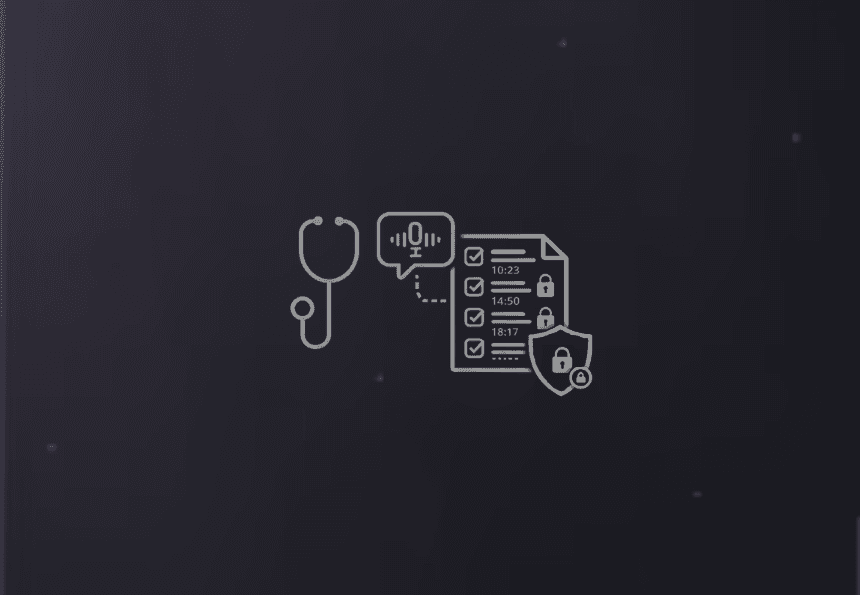
As healthcare organizations increasingly adopt AI voice agents, it becomes essential to track and record every action these systems perform. Audit logging for healthcare AI voice agents captures detailed information about interactions, ensuring compliance with strict regulations.
These logs are necessary for tracking data access, providing transparency, and protecting sensitive patient information. Without proper audit logging, healthcare systems risk non-compliance and potential data breaches, which could lead to severe consequences.
Implementing effective logging standards helps organizations demonstrate their commitment to data security. It enables healthcare providers to meet industry regulations, such as HIPAA, while ensuring patient privacy and the integrity of AI-driven interactions.
Why Are Audit Logs Critical for Healthcare AI Voice Systems?
Healthcare AI voice systems handle sensitive patient data, making audit logs essential for tracking interactions and ensuring regulatory compliance. These logs help safeguard patient information, prevent unauthorized access, and maintain trust with healthcare providers and patients alike.
Here's why audit logs are critical:
Tracking Data Access And Actions: Logs record every instance of data access for transparency and accountability.
Ensuring HIPAA Compliance: Audit logs ensure compliance with HIPAA regulations and safeguard sensitive health data.
Improving Security And Identifying Risks: Real-time logs help detect unauthorized access or potential security breaches.
Supporting Audits And Investigations: Logs provide clear records for audits, investigations, and regulatory reviews.
What Are the Key HIPAA Requirements for AI Voice Agent Audit Logs?
AI voice agents in healthcare must meet stringent HIPAA compliance standards to ensure the protection of patient data and uphold privacy regulations. These agents rely on secure and reliable audit logging to track data access, improve accountability, and support transparency during audits and investigations.
Here are the key HIPAA requirements for AI voice agent audit logs:
Track User Access And Data Interactions: AI voice agents must log all access to protected health information (PHI) and actions performed, ensuring clear accountability.
Ensure Log Integrity With Immutable Records: Logs must be tamper-proof to protect against unauthorized edits or data manipulation.
Maintain Logs For A Minimum Of Six Years: HIPAA mandates that audit logs be retained for at least six years, supporting compliance and investigative processes.
Facilitate Export And Reporting For Compliance: Logs should be easily exportable to support compliance audits and detailed reports on data access and actions.
How Can Healthcare AI Voice Agents Meet and Exceed Logging Standards?
Healthcare AI voice agents must implement strong logging practices to ensure compliance, security, and accountability. By leveraging real-time, immutable logs, integrated data systems, and scalable solutions, these agents can meet and exceed logging standards. Proper encryption, granular access tracking, and exportable logs ensure HIPAA compliance and safeguard patient data.
Real‑Time Immutable Logging for Auditable Records
Patients face delays in services when logs are not up-to-date or secure. Without real-time, immutable records, errors in medication, appointments, or diagnoses go unnoticed, creating confusion and potential harm. Patients feel the impact when voice systems can’t deliver accurate, verifiable histories of their interactions with healthcare providers.
Real-time immutable logging ensures data integrity. Key points include:
Instant log capture: Logs are created in real-time, providing accurate, up-to-date records of every action.
Tamper-proof records: Immutable logs ensure data cannot be altered, maintaining a reliable audit trail.
Improved transparency: Real-time logs allow instant access to review data interactions as they happen.
Regulatory compliance: Immutable logs support compliance with healthcare regulations, ensuring full accountability.
Integrated Logging Across Healthcare Data Systems
Patients experience frustration when their information doesn’t flow seamlessly across systems. Without integrated logging, voice agents cannot ensure all data points are synchronized, leading to missed details, duplicated efforts, and lengthy follow-ups. This disruption increases patient wait times and erodes trust in healthcare systems’ ability to provide seamless care.
Integrated systems streamline data across platforms. Key points include:
Seamless data flow: Integration ensures smooth transfer of data between AI voice agents and EHR systems.
Unified access: Healthcare providers have a consolidated view of patient interactions across multiple platforms.
Reduced data silos: Integration eliminates data silos, ensuring a complete record of patient interactions.
Improved coordination: Logs from all systems are unified, streamlining workflow and improving patient care.
Granular User and Data Access Logs for Accountability
Patients worry when they cannot be sure who accessed their sensitive information. Lack of detailed logs around data access makes it hard to track who viewed or altered personal health records. When this accountability is missing, it creates distrust and heightened concerns about the safety of their healthcare data.
Granular logs ensure full access accountability. Key points include:
Detailed access logs: Every action is recorded, showing who accessed patient data and what was done.
Role-based tracking: Logs include the specific roles of users to ensure responsible access to patient data.
Audit-ready data: Detailed logs support quick investigations and audits, ensuring compliance and security.
Protection against misuse: Granular logging helps identify unauthorized access or data manipulation quickly.
Scalable Logging for High Call and Data Volume
Patients often face delays or long wait times when healthcare systems struggle to handle high call volumes. Without scalable logging, the risk of missing important data interactions increases, leading to poor service, frustrated patients, and a lack of confidence in AI-driven systems handling time-sensitive healthcare matters.
Scalable systems handle peak traffic smoothly. Key points include:
Handling peak volumes: Scalable systems capture and store logs even during high-traffic periods without data loss.
Consistent performance: Systems scale up or down based on demand, ensuring continuous logging during peak hours.
Data integrity: Scalable solutions maintain the accuracy and completeness of logs, even with high call volumes.
Efficient processing: Scalable logs ensure smooth operation by processing large data sets without slowing down the system.
Encrypted Logs for PHI Security
Patients fear breaches of their private health data if proper security measures aren’t in place. Unencrypted logs expose sensitive personal health information (PHI) to unauthorized access. Patients want reassurance that their data is safeguarded, and without encryption, healthcare systems fail to provide this security, leading to potential privacy violations.
Encryption safeguards sensitive health data logs. Key points include:
Data protection: Encrypted logs ensure that PHI remains secure, even if unauthorized access occurs.
Compliance with HIPAA: Encryption meets HIPAA's security requirements for data transmission and storage.
Preventing unauthorized access: Logs are encrypted to ensure only authorized personnel can access sensitive information.
Maintaining confidentiality: Encryption helps keep patient data confidential, preventing exposure to third parties.
Exportable Logs for Compliance Reporting
Patients feel uneasy when healthcare providers cannot quickly demonstrate compliance with privacy standards. Without easily exportable logs, organizations struggle to prove that their systems are following regulations like HIPAA. This lack of transparency creates uncertainty for patients, who expect healthcare providers to uphold their privacy rights and data security.
Exportable logs simplify regulatory compliance. Key points include:
Quick report generation: Exportable logs allow healthcare teams to generate audit-ready reports instantly.
Streamlined compliance: Logs are organized and can be easily shared during regulatory reviews or audits.
Data accessibility: Exportable logs ensure that key information is readily available for review by auditors.
Transparency in reporting: Logs that are easily exported support transparent reporting and help maintain compliance.
How to Choose the Right AI Voice Agent with Strong Logging Capabilities?
Selecting the right AI voice agent involves ensuring it meets logging standards that guarantee secure, compliant, and efficient patient data management. The chosen agent should support real-time, secure logging, provide seamless integrations, and ensure compliance with regulations like HIPAA.
Here’s what to consider when selecting an AI voice agent with strong logging capabilities:
Real-Time Logging: The voice agent must capture logs instantly, ensuring accurate and up-to-date records of every interaction.
Data Encryption: The system should securely encrypt logs to safeguard sensitive patient data, in line with HIPAA requirements.
Integration with Healthcare Systems: It should integrate smoothly with clinical data platforms, ensuring seamless tracking and data flow.
Regulatory Compliance: Ensure the agent meets HIPAA audit log requirements, supporting compliance and preventing legal risks.
Frequently Asked Question
What are the key elements of HIPAA audit logs for AI voice systems?
HIPAA audit logs must capture user identity, timestamps, actions taken on data, and system access. These logs should be immutable, providing traceability for every action. They ensure healthcare providers maintain compliance with HIPAA, demonstrating transparency and accountability for patient data handling.
How do AI voice agent logging standards support regulatory compliance?
Logging standards ensure that AI voice systems meet HIPAA requirements by recording detailed, accurate data access logs. They provide verifiable proof of compliance, facilitate audits, and allow healthcare providers to demonstrate accountability and transparency in their handling of sensitive patient information.
Why is real-time logging important for healthcare AI voice systems?
Real-time logging captures interactions instantly, allowing quick identification of unauthorized access or errors. It ensures continuous monitoring of data usage and improves security. Immediate detection of suspicious activity can minimize risks to patient data and maintain compliance with HIPAA regulations.
What is the role of encrypted logs in healthcare AI voice systems?
Encrypted logs ensure the security of sensitive patient data. They prevent unauthorized access by encrypting data in transit and storage. This encryption meets HIPAA security standards, safeguarding data integrity and ensuring compliance with patient privacy regulations throughout its lifecycle.
Achieve Compliance with Healthcare Logging Standards through Brilo AI Solutions
Healthcare AI voice agents are essential for safeguarding patient data and ensuring regulatory compliance. By implementing audit logging for healthcare AI voice agents, organizations can meet stringent security standards and maintain transparency in patient interactions.
Brilo AI offers real-time, immutable logging that integrates seamlessly with healthcare systems. With advanced encryption and efficient data flow, it helps healthcare providers meet HIPAA requirements while protecting sensitive information.
Ready to strengthen your compliance and security? Book a call today to explore how Brilo AI can improve your logging capabilities and safeguard patient data.
All Insights
Articles
What Are the Essential Audit Logging Standards for Healthcare AI Voice Agents?
Explore how audit logging standards for healthcare AI voice agents improve compliance, protect patient data, and ensure accountability.
As healthcare organizations increasingly adopt AI voice agents, it becomes essential to track and record every action these systems perform. Audit logging for healthcare AI voice agents captures detailed information about interactions, ensuring compliance with strict regulations.
These logs are necessary for tracking data access, providing transparency, and protecting sensitive patient information. Without proper audit logging, healthcare systems risk non-compliance and potential data breaches, which could lead to severe consequences.
Implementing effective logging standards helps organizations demonstrate their commitment to data security. It enables healthcare providers to meet industry regulations, such as HIPAA, while ensuring patient privacy and the integrity of AI-driven interactions.
Why Are Audit Logs Critical for Healthcare AI Voice Systems?
Healthcare AI voice systems handle sensitive patient data, making audit logs essential for tracking interactions and ensuring regulatory compliance. These logs help safeguard patient information, prevent unauthorized access, and maintain trust with healthcare providers and patients alike.
Here's why audit logs are critical:
Tracking Data Access And Actions: Logs record every instance of data access for transparency and accountability.
Ensuring HIPAA Compliance: Audit logs ensure compliance with HIPAA regulations and safeguard sensitive health data.
Improving Security And Identifying Risks: Real-time logs help detect unauthorized access or potential security breaches.
Supporting Audits And Investigations: Logs provide clear records for audits, investigations, and regulatory reviews.
What Are the Key HIPAA Requirements for AI Voice Agent Audit Logs?
AI voice agents in healthcare must meet stringent HIPAA compliance standards to ensure the protection of patient data and uphold privacy regulations. These agents rely on secure and reliable audit logging to track data access, improve accountability, and support transparency during audits and investigations.
Here are the key HIPAA requirements for AI voice agent audit logs:
Track User Access And Data Interactions: AI voice agents must log all access to protected health information (PHI) and actions performed, ensuring clear accountability.
Ensure Log Integrity With Immutable Records: Logs must be tamper-proof to protect against unauthorized edits or data manipulation.
Maintain Logs For A Minimum Of Six Years: HIPAA mandates that audit logs be retained for at least six years, supporting compliance and investigative processes.
Facilitate Export And Reporting For Compliance: Logs should be easily exportable to support compliance audits and detailed reports on data access and actions.
How Can Healthcare AI Voice Agents Meet and Exceed Logging Standards?
Healthcare AI voice agents must implement strong logging practices to ensure compliance, security, and accountability. By leveraging real-time, immutable logs, integrated data systems, and scalable solutions, these agents can meet and exceed logging standards. Proper encryption, granular access tracking, and exportable logs ensure HIPAA compliance and safeguard patient data.
Real‑Time Immutable Logging for Auditable Records
Patients face delays in services when logs are not up-to-date or secure. Without real-time, immutable records, errors in medication, appointments, or diagnoses go unnoticed, creating confusion and potential harm. Patients feel the impact when voice systems can’t deliver accurate, verifiable histories of their interactions with healthcare providers.
Real-time immutable logging ensures data integrity. Key points include:
Instant log capture: Logs are created in real-time, providing accurate, up-to-date records of every action.
Tamper-proof records: Immutable logs ensure data cannot be altered, maintaining a reliable audit trail.
Improved transparency: Real-time logs allow instant access to review data interactions as they happen.
Regulatory compliance: Immutable logs support compliance with healthcare regulations, ensuring full accountability.
Integrated Logging Across Healthcare Data Systems
Patients experience frustration when their information doesn’t flow seamlessly across systems. Without integrated logging, voice agents cannot ensure all data points are synchronized, leading to missed details, duplicated efforts, and lengthy follow-ups. This disruption increases patient wait times and erodes trust in healthcare systems’ ability to provide seamless care.
Integrated systems streamline data across platforms. Key points include:
Seamless data flow: Integration ensures smooth transfer of data between AI voice agents and EHR systems.
Unified access: Healthcare providers have a consolidated view of patient interactions across multiple platforms.
Reduced data silos: Integration eliminates data silos, ensuring a complete record of patient interactions.
Improved coordination: Logs from all systems are unified, streamlining workflow and improving patient care.
Granular User and Data Access Logs for Accountability
Patients worry when they cannot be sure who accessed their sensitive information. Lack of detailed logs around data access makes it hard to track who viewed or altered personal health records. When this accountability is missing, it creates distrust and heightened concerns about the safety of their healthcare data.
Granular logs ensure full access accountability. Key points include:
Detailed access logs: Every action is recorded, showing who accessed patient data and what was done.
Role-based tracking: Logs include the specific roles of users to ensure responsible access to patient data.
Audit-ready data: Detailed logs support quick investigations and audits, ensuring compliance and security.
Protection against misuse: Granular logging helps identify unauthorized access or data manipulation quickly.
Scalable Logging for High Call and Data Volume
Patients often face delays or long wait times when healthcare systems struggle to handle high call volumes. Without scalable logging, the risk of missing important data interactions increases, leading to poor service, frustrated patients, and a lack of confidence in AI-driven systems handling time-sensitive healthcare matters.
Scalable systems handle peak traffic smoothly. Key points include:
Handling peak volumes: Scalable systems capture and store logs even during high-traffic periods without data loss.
Consistent performance: Systems scale up or down based on demand, ensuring continuous logging during peak hours.
Data integrity: Scalable solutions maintain the accuracy and completeness of logs, even with high call volumes.
Efficient processing: Scalable logs ensure smooth operation by processing large data sets without slowing down the system.
Encrypted Logs for PHI Security
Patients fear breaches of their private health data if proper security measures aren’t in place. Unencrypted logs expose sensitive personal health information (PHI) to unauthorized access. Patients want reassurance that their data is safeguarded, and without encryption, healthcare systems fail to provide this security, leading to potential privacy violations.
Encryption safeguards sensitive health data logs. Key points include:
Data protection: Encrypted logs ensure that PHI remains secure, even if unauthorized access occurs.
Compliance with HIPAA: Encryption meets HIPAA's security requirements for data transmission and storage.
Preventing unauthorized access: Logs are encrypted to ensure only authorized personnel can access sensitive information.
Maintaining confidentiality: Encryption helps keep patient data confidential, preventing exposure to third parties.
Exportable Logs for Compliance Reporting
Patients feel uneasy when healthcare providers cannot quickly demonstrate compliance with privacy standards. Without easily exportable logs, organizations struggle to prove that their systems are following regulations like HIPAA. This lack of transparency creates uncertainty for patients, who expect healthcare providers to uphold their privacy rights and data security.
Exportable logs simplify regulatory compliance. Key points include:
Quick report generation: Exportable logs allow healthcare teams to generate audit-ready reports instantly.
Streamlined compliance: Logs are organized and can be easily shared during regulatory reviews or audits.
Data accessibility: Exportable logs ensure that key information is readily available for review by auditors.
Transparency in reporting: Logs that are easily exported support transparent reporting and help maintain compliance.
How to Choose the Right AI Voice Agent with Strong Logging Capabilities?
Selecting the right AI voice agent involves ensuring it meets logging standards that guarantee secure, compliant, and efficient patient data management. The chosen agent should support real-time, secure logging, provide seamless integrations, and ensure compliance with regulations like HIPAA.
Here’s what to consider when selecting an AI voice agent with strong logging capabilities:
Real-Time Logging: The voice agent must capture logs instantly, ensuring accurate and up-to-date records of every interaction.
Data Encryption: The system should securely encrypt logs to safeguard sensitive patient data, in line with HIPAA requirements.
Integration with Healthcare Systems: It should integrate smoothly with clinical data platforms, ensuring seamless tracking and data flow.
Regulatory Compliance: Ensure the agent meets HIPAA audit log requirements, supporting compliance and preventing legal risks.
Frequently Asked Question
What are the key elements of HIPAA audit logs for AI voice systems?
HIPAA audit logs must capture user identity, timestamps, actions taken on data, and system access. These logs should be immutable, providing traceability for every action. They ensure healthcare providers maintain compliance with HIPAA, demonstrating transparency and accountability for patient data handling.
How do AI voice agent logging standards support regulatory compliance?
Logging standards ensure that AI voice systems meet HIPAA requirements by recording detailed, accurate data access logs. They provide verifiable proof of compliance, facilitate audits, and allow healthcare providers to demonstrate accountability and transparency in their handling of sensitive patient information.
Why is real-time logging important for healthcare AI voice systems?
Real-time logging captures interactions instantly, allowing quick identification of unauthorized access or errors. It ensures continuous monitoring of data usage and improves security. Immediate detection of suspicious activity can minimize risks to patient data and maintain compliance with HIPAA regulations.
What is the role of encrypted logs in healthcare AI voice systems?
Encrypted logs ensure the security of sensitive patient data. They prevent unauthorized access by encrypting data in transit and storage. This encryption meets HIPAA security standards, safeguarding data integrity and ensuring compliance with patient privacy regulations throughout its lifecycle.
Achieve Compliance with Healthcare Logging Standards through Brilo AI Solutions
Healthcare AI voice agents are essential for safeguarding patient data and ensuring regulatory compliance. By implementing audit logging for healthcare AI voice agents, organizations can meet stringent security standards and maintain transparency in patient interactions.
Brilo AI offers real-time, immutable logging that integrates seamlessly with healthcare systems. With advanced encryption and efficient data flow, it helps healthcare providers meet HIPAA requirements while protecting sensitive information.
Ready to strengthen your compliance and security? Book a call today to explore how Brilo AI can improve your logging capabilities and safeguard patient data.
Latest Insights
All Resources
Articles
Case Studies
Tutorials

Case Studies
Brilo vs Smith.ai — Which AI Answering Service Fits Your Home Care Agency?
Smith.ai vs Brilo: which AI answering service is right for your home care agency? Compare pricing, setup speed, and call handling.

Case Studies
Brilo vs Alita — AI Agents for Senior Living Communities
Compare Brilo and Alita for assisted living AI voice agents. Features, pricing, and which is the better fit for your community.
Load More
Latest Insights
All Resources
Articles
Case Studies
Tutorials
Case Studies
Brilo vs Smith.ai — Which AI Answering Service Fits Your Home Care Agency?
Smith.ai vs Brilo: which AI answering service is right for your home care agency? Compare pricing, setup speed, and call handling.
Case Studies
Brilo vs Alita — AI Agents for Senior Living Communities
Compare Brilo and Alita for assisted living AI voice agents. Features, pricing, and which is the better fit for your community.
Load More

Automate your business with AI phone Agents
Automate your business with AI phone Agents
Automate your business with AI phone Agents
Automate your business with AI phone Agents
Call automation for healthcare, real estate, logistics, financial services & small businesses.
Call automation for healthcare, real estate, logistics, financial services & small businesses.

Join Discord
Connect with our community, ask questions, and stay updated on product news.

Book a Call
Schedule a quick call with our team to explore solutions for your needs.
Get started
Industries
Usecases
Integrations
Legal & Community
Join Discord
Connect with our community, ask questions, and stay updated on product news.
Book a Call
Schedule a quick call with our team to explore solutions for your needs.
Get started
Industries
Usecases
Integrations
Legal & Community
Join Discord
Connect with our community, ask questions, and stay updated on product news.
Book a Call
Schedule a quick call with our team to explore solutions for your needs.
Get started
Industries
Usecases
Integrations
Legal & Community
Join Discord
Connect with our community, ask questions, and stay updated on product news.
Book a Call
Schedule a quick call with our team to explore solutions for your needs.
Get started
Industries
Usecases
Integrations
Legal & Community