
All Insights
Articles
Telemedicine & Voice AI Triage: How AI Is Transforming Patient Routing In Digital Healthcare
Discover how Brilo AI-powered voice triage is transforming patient routing in digital healthcare, improving efficiency and patient care through telemedicine.
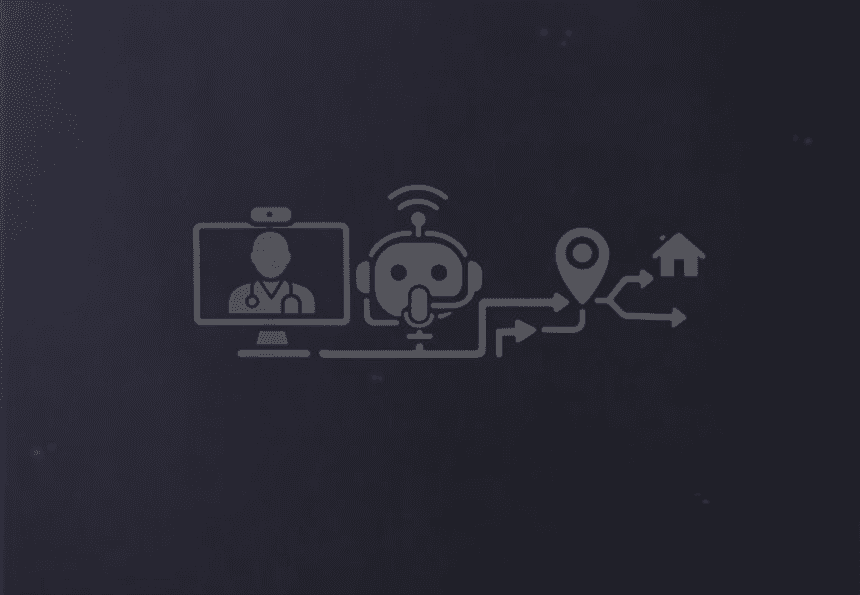
Telemedicine and voice AI Triage are revolutionizing the healthcare landscape by streamlining patient routing. Through AI-driven chatbots and voice assistants, healthcare providers can ensure quicker, more accurate triage, improving both patient outcomes and operational efficiency.
Incorporating AI in telemedicine triage systems allows for real-time decision-making, reducing human error. voice AI Triage improves accessibility, enabling patients to receive care 24/7, even in remote areas. This innovation is reshaping how healthcare professionals manage patient interactions and prioritize treatment efficiently.
Telemedicine AI Triage chatbots play a pivotal role in guiding patients, automating initial assessments, and ensuring timely referrals. As AI becomes more integrated into healthcare, these systems are setting new standards in patient care.
What is Voice AI Triage in Telemedicine & Why is it Important?
Voice AI Triage in telemedicine uses artificial intelligence to assess and route patients based on their symptoms or concerns. It involves AI-driven voice assistants or chatbots that automate initial patient interactions, ensuring quick and accurate triage while reducing wait times and human error in the healthcare process.
Why Is It Important?
Inconsistent systems across locations: Different tools and protocols across clinics create inefficiencies and complicate coordination.
High call volumes with limited staff: Staff struggle to manage peak calls, leading to delayed or unanswered patient queries.
Missed or delayed appointments: Manual scheduling causes gaps, no-shows, and poor utilization of available slots.
Fragmented communication channels: Multiple contact methods lead to confusion and missed follow-ups.
Lack of actionable call data: Without analytics, clinics can’t track patient needs or improve service efficiency.
How Voice AI Triage Improves Patient Support in Telemedicine
Voice AI Triage improves patient support in telemedicine by automating intake, ensuring accurate data collection, and streamlining patient routing. This technology allows for faster responses, 24/7 availability, and more efficient care, resulting in improved overall patient experience and operational efficiency for healthcare providers.
Faster and More Accurate Intake
Patients experience long wait times and manual data collection errors, leading to incorrect assessments. AI in telemedicine triage systems reduces these inefficiencies by automating the intake process. This improves data accuracy and accelerates patient assessments, ensuring faster, more accurate care and ultimately improving the patient experience.
Here’s how AI in telemedicine triage systems addresses this issue:
AI Automation: Automates patient intake, collecting essential data quickly and accurately.
Improved Accuracy: Reduces human errors during data entry, ensuring more precise assessments.
Faster Processing: Cuts down on waiting times, enabling patients to be triaged faster.
Streamlined Workflow: Speeds up the intake process, reducing bottlenecks and delays in care.
24/7 Availability for Initial Assessment
Patients often struggle to access care outside regular hours. With Telemedicine and voice AI Triage, voice assistants provide round-the-clock initial assessments. This 24/7 availability ensures patients aren’t left waiting for critical guidance, improving accessibility and reducing anxiety, especially for those with urgent, after-hours healthcare concerns.
Here’s how Telemedicine and voice AI Triage solve this challenge:
Round-the-Clock Access: Provides continuous, on-demand assessments for patients at any time.
No Delay: Ensures that patients don’t have to wait until office hours for urgent care.
Immediate Action: AI can handle initial triage instantly, without needing human intervention.
Improved Access: Gives patients peace of mind knowing help is available anytime they need it.
Direct Routing to Appropriate Care
Misrouted patients face frustration and delays in treatment. Telemedicine voice assistant triage effectively routes patients to the right specialists based on their needs, minimizing misdirection. This direct routing ensures timely care, reduces unnecessary wait times, and prevents frustration caused by being sent to the wrong department.
Here’s how Telemedicine voice assistant triage improves patient routing:
Efficient Triage: Directs patients to the appropriate specialist based on their symptoms.
Faster Care: Reduces the time patients spend waiting for the right care provider.
Eliminates Confusion: Minimizes the risk of sending patients to the wrong department.
Better Workflow: voice assistants ensure smoother transitions between care teams.
Reduced Administrative Workload
Administrative staff are often overwhelmed, which leads to slower patient interactions. With Telemedicine AI Triage chatbots, routine tasks like intake and data collection are automated, relieving staff from mundane duties. This reduces human error, speeds up the process, and allows healthcare workers to focus on more urgent tasks.
Here’s how Telemedicine AI Triage chatbots reduce administrative strain:
Automates Routine Tasks: Handles data entry, scheduling, and initial assessments without human input.
Increased Productivity: Staff can focus on critical tasks, improving operational efficiency.
Time Efficiency: Reduces the time spent on non-urgent tasks, allowing for faster patient handling.
Fewer Errors: Minimizes mistakes caused by human fatigue or oversight during busy hours.
Improved Patient Satisfaction
Delays, missed follow-ups, and unclear communication lower patient satisfaction. By incorporating Telemedicine and voice AI Triage, patients can receive immediate assistance, speeding up the care process. This results in higher satisfaction as patients experience faster, more personalized responses, reducing the frustration that comes with waiting.
Here’s how Telemedicine and voice AI Triage improve patient experience:
Faster Responses: Ensures that patients aren’t kept waiting, leading to higher satisfaction.
Personalized Care: AI-tailored interactions make patients feel valued and heard.
Consistent Support: Provides uniform service quality across all patient interactions, reducing frustration.
Easy Access: Patients experience a seamless, hassle-free process from start to finish.
Improved Patient Engagement Through AI Interactions
Patients may disengage when they feel they aren’t being heard. Telemedicine AI Triage chatbots offer dynamic, interactive communication, allowing patients to ask questions and receive real-time responses. This personalizes the experience and keeps patients actively engaged, improving their trust in the healthcare system and encouraging adherence to treatment plans.
Here’s how AI-powered voice assistants improve engagement:
Real-Time Interaction: Patients can communicate instantly with AI, receiving immediate feedback.
Interactive Guidance: voice assistants provide step-by-step instructions, ensuring patients understand their care process.
Building Trust: Personalized conversations create a stronger bond between patients and healthcare providers.
Continuous Support: AI is available throughout the patient’s journey, offering ongoing guidance.
Long Wait Times and Lack of Updates
Extended wait times leave patients feeling neglected. AI in telemedicine triage systems minimizes these delays by automating response times and providing real-time status updates. Patients are kept informed about their care journey, reducing anxiety and increasing satisfaction by offering clarity during each step of the process.
Here’s how AI in telemedicine triage systems boosts cost efficiency:
Reduced Operational Costs: Automating routine tasks cuts down on staffing needs.
Efficient Resource Allocation: Allows staff to focus on high-priority cases, improving overall productivity.
Increased ROI: Better resource utilization leads to higher financial returns for healthcare providers.
Lower Overhead: Reduces the need for additional support staff, minimizing clinic expenses.
How to Implement Voice AI Assistance for Telemedicine Triage Support?
Implementing Telemedicine and voice AI Triage systems requires strategic planning, integration with existing infrastructure, and careful training. Follow these steps to successfully incorporate AI-driven solutions into your telemedicine practice:
Choose the Right AI Platform: Select a scalable AI in telemedicine triage systems platform that integrates seamlessly with existing tools and workflows.
Integrate with Existing Systems: Connect Telemedicine AI Triage chatbots with your scheduling and patient management systems for smooth data flow.
Train the AI System: Ensure the Telemedicine voice assistant triage handles various patient concerns accurately through regular training and updates.
Monitor and Optimize: Continuously evaluate AI performance using feedback and analytics to refine triage capabilities and improve efficiency.
Frequently Asked Question
How does voice AI triage work in healthcare support?
Voice AI triage gathers symptoms through guided conversations, prioritizes urgency using predefined rules, routes calls to appropriate staff, and schedules next steps—helping clinics respond faster while reducing unnecessary transfers and call delays.
Can Brilo AI route calls based on symptoms and provider availability?
Yes, Brilo AI intelligently maps patient symptoms to care pathways and checks real-time provider availability. It ensures patients are routed to the right service or specialist without manual intervention, improving operational efficiency.
Can voice AI triage work with existing telemedicine platforms?
Yes. voice AI triage seamlessly integrates with telemedicine systems like Zoom and Teams, improving patient routing and streamlining communication without needing additional hardware.
How does voice AI ensure patient privacy during triage?
Voice AI triage adheres to strict privacy standards like HIPAA. It encrypts conversations and securely processes all patient data to ensure complete confidentiality throughout the process.
Advance the Future of Telemedicine with Brilo Voice AI Triage
Clinic groups adopting Telemedicine and voice AI Triage face growing demand for efficient, accurate, and engaging patient support. AI-powered systems automate patient intake, reducing wait times and improving care quality, while streamlining workflows across multiple locations.
Brilo voice AI Triage simplifies integration with healthcare-ready templates, quick deployment, and real-time syncing. Teams can optimize operations, improve patient engagement, and scale care without added complexity.
Book a call today and discover how Brilo AI can improve your telemedicine services and streamline patient routing.
All Insights
Articles
Telemedicine & Voice AI Triage: How AI Is Transforming Patient Routing In Digital Healthcare
Discover how Brilo AI-powered voice triage is transforming patient routing in digital healthcare, improving efficiency and patient care through telemedicine.
Telemedicine and voice AI Triage are revolutionizing the healthcare landscape by streamlining patient routing. Through AI-driven chatbots and voice assistants, healthcare providers can ensure quicker, more accurate triage, improving both patient outcomes and operational efficiency.
Incorporating AI in telemedicine triage systems allows for real-time decision-making, reducing human error. voice AI Triage improves accessibility, enabling patients to receive care 24/7, even in remote areas. This innovation is reshaping how healthcare professionals manage patient interactions and prioritize treatment efficiently.
Telemedicine AI Triage chatbots play a pivotal role in guiding patients, automating initial assessments, and ensuring timely referrals. As AI becomes more integrated into healthcare, these systems are setting new standards in patient care.
What is Voice AI Triage in Telemedicine & Why is it Important?
Voice AI Triage in telemedicine uses artificial intelligence to assess and route patients based on their symptoms or concerns. It involves AI-driven voice assistants or chatbots that automate initial patient interactions, ensuring quick and accurate triage while reducing wait times and human error in the healthcare process.
Why Is It Important?
Inconsistent systems across locations: Different tools and protocols across clinics create inefficiencies and complicate coordination.
High call volumes with limited staff: Staff struggle to manage peak calls, leading to delayed or unanswered patient queries.
Missed or delayed appointments: Manual scheduling causes gaps, no-shows, and poor utilization of available slots.
Fragmented communication channels: Multiple contact methods lead to confusion and missed follow-ups.
Lack of actionable call data: Without analytics, clinics can’t track patient needs or improve service efficiency.
How Voice AI Triage Improves Patient Support in Telemedicine
Voice AI Triage improves patient support in telemedicine by automating intake, ensuring accurate data collection, and streamlining patient routing. This technology allows for faster responses, 24/7 availability, and more efficient care, resulting in improved overall patient experience and operational efficiency for healthcare providers.
Faster and More Accurate Intake
Patients experience long wait times and manual data collection errors, leading to incorrect assessments. AI in telemedicine triage systems reduces these inefficiencies by automating the intake process. This improves data accuracy and accelerates patient assessments, ensuring faster, more accurate care and ultimately improving the patient experience.
Here’s how AI in telemedicine triage systems addresses this issue:
AI Automation: Automates patient intake, collecting essential data quickly and accurately.
Improved Accuracy: Reduces human errors during data entry, ensuring more precise assessments.
Faster Processing: Cuts down on waiting times, enabling patients to be triaged faster.
Streamlined Workflow: Speeds up the intake process, reducing bottlenecks and delays in care.
24/7 Availability for Initial Assessment
Patients often struggle to access care outside regular hours. With Telemedicine and voice AI Triage, voice assistants provide round-the-clock initial assessments. This 24/7 availability ensures patients aren’t left waiting for critical guidance, improving accessibility and reducing anxiety, especially for those with urgent, after-hours healthcare concerns.
Here’s how Telemedicine and voice AI Triage solve this challenge:
Round-the-Clock Access: Provides continuous, on-demand assessments for patients at any time.
No Delay: Ensures that patients don’t have to wait until office hours for urgent care.
Immediate Action: AI can handle initial triage instantly, without needing human intervention.
Improved Access: Gives patients peace of mind knowing help is available anytime they need it.
Direct Routing to Appropriate Care
Misrouted patients face frustration and delays in treatment. Telemedicine voice assistant triage effectively routes patients to the right specialists based on their needs, minimizing misdirection. This direct routing ensures timely care, reduces unnecessary wait times, and prevents frustration caused by being sent to the wrong department.
Here’s how Telemedicine voice assistant triage improves patient routing:
Efficient Triage: Directs patients to the appropriate specialist based on their symptoms.
Faster Care: Reduces the time patients spend waiting for the right care provider.
Eliminates Confusion: Minimizes the risk of sending patients to the wrong department.
Better Workflow: voice assistants ensure smoother transitions between care teams.
Reduced Administrative Workload
Administrative staff are often overwhelmed, which leads to slower patient interactions. With Telemedicine AI Triage chatbots, routine tasks like intake and data collection are automated, relieving staff from mundane duties. This reduces human error, speeds up the process, and allows healthcare workers to focus on more urgent tasks.
Here’s how Telemedicine AI Triage chatbots reduce administrative strain:
Automates Routine Tasks: Handles data entry, scheduling, and initial assessments without human input.
Increased Productivity: Staff can focus on critical tasks, improving operational efficiency.
Time Efficiency: Reduces the time spent on non-urgent tasks, allowing for faster patient handling.
Fewer Errors: Minimizes mistakes caused by human fatigue or oversight during busy hours.
Improved Patient Satisfaction
Delays, missed follow-ups, and unclear communication lower patient satisfaction. By incorporating Telemedicine and voice AI Triage, patients can receive immediate assistance, speeding up the care process. This results in higher satisfaction as patients experience faster, more personalized responses, reducing the frustration that comes with waiting.
Here’s how Telemedicine and voice AI Triage improve patient experience:
Faster Responses: Ensures that patients aren’t kept waiting, leading to higher satisfaction.
Personalized Care: AI-tailored interactions make patients feel valued and heard.
Consistent Support: Provides uniform service quality across all patient interactions, reducing frustration.
Easy Access: Patients experience a seamless, hassle-free process from start to finish.
Improved Patient Engagement Through AI Interactions
Patients may disengage when they feel they aren’t being heard. Telemedicine AI Triage chatbots offer dynamic, interactive communication, allowing patients to ask questions and receive real-time responses. This personalizes the experience and keeps patients actively engaged, improving their trust in the healthcare system and encouraging adherence to treatment plans.
Here’s how AI-powered voice assistants improve engagement:
Real-Time Interaction: Patients can communicate instantly with AI, receiving immediate feedback.
Interactive Guidance: voice assistants provide step-by-step instructions, ensuring patients understand their care process.
Building Trust: Personalized conversations create a stronger bond between patients and healthcare providers.
Continuous Support: AI is available throughout the patient’s journey, offering ongoing guidance.
Long Wait Times and Lack of Updates
Extended wait times leave patients feeling neglected. AI in telemedicine triage systems minimizes these delays by automating response times and providing real-time status updates. Patients are kept informed about their care journey, reducing anxiety and increasing satisfaction by offering clarity during each step of the process.
Here’s how AI in telemedicine triage systems boosts cost efficiency:
Reduced Operational Costs: Automating routine tasks cuts down on staffing needs.
Efficient Resource Allocation: Allows staff to focus on high-priority cases, improving overall productivity.
Increased ROI: Better resource utilization leads to higher financial returns for healthcare providers.
Lower Overhead: Reduces the need for additional support staff, minimizing clinic expenses.
How to Implement Voice AI Assistance for Telemedicine Triage Support?
Implementing Telemedicine and voice AI Triage systems requires strategic planning, integration with existing infrastructure, and careful training. Follow these steps to successfully incorporate AI-driven solutions into your telemedicine practice:
Choose the Right AI Platform: Select a scalable AI in telemedicine triage systems platform that integrates seamlessly with existing tools and workflows.
Integrate with Existing Systems: Connect Telemedicine AI Triage chatbots with your scheduling and patient management systems for smooth data flow.
Train the AI System: Ensure the Telemedicine voice assistant triage handles various patient concerns accurately through regular training and updates.
Monitor and Optimize: Continuously evaluate AI performance using feedback and analytics to refine triage capabilities and improve efficiency.
Frequently Asked Question
How does voice AI triage work in healthcare support?
Voice AI triage gathers symptoms through guided conversations, prioritizes urgency using predefined rules, routes calls to appropriate staff, and schedules next steps—helping clinics respond faster while reducing unnecessary transfers and call delays.
Can Brilo AI route calls based on symptoms and provider availability?
Yes, Brilo AI intelligently maps patient symptoms to care pathways and checks real-time provider availability. It ensures patients are routed to the right service or specialist without manual intervention, improving operational efficiency.
Can voice AI triage work with existing telemedicine platforms?
Yes. voice AI triage seamlessly integrates with telemedicine systems like Zoom and Teams, improving patient routing and streamlining communication without needing additional hardware.
How does voice AI ensure patient privacy during triage?
Voice AI triage adheres to strict privacy standards like HIPAA. It encrypts conversations and securely processes all patient data to ensure complete confidentiality throughout the process.
Advance the Future of Telemedicine with Brilo Voice AI Triage
Clinic groups adopting Telemedicine and voice AI Triage face growing demand for efficient, accurate, and engaging patient support. AI-powered systems automate patient intake, reducing wait times and improving care quality, while streamlining workflows across multiple locations.
Brilo voice AI Triage simplifies integration with healthcare-ready templates, quick deployment, and real-time syncing. Teams can optimize operations, improve patient engagement, and scale care without added complexity.
Book a call today and discover how Brilo AI can improve your telemedicine services and streamline patient routing.
Latest Insights
All Resources
Articles
Case Studies
Tutorials
Articles
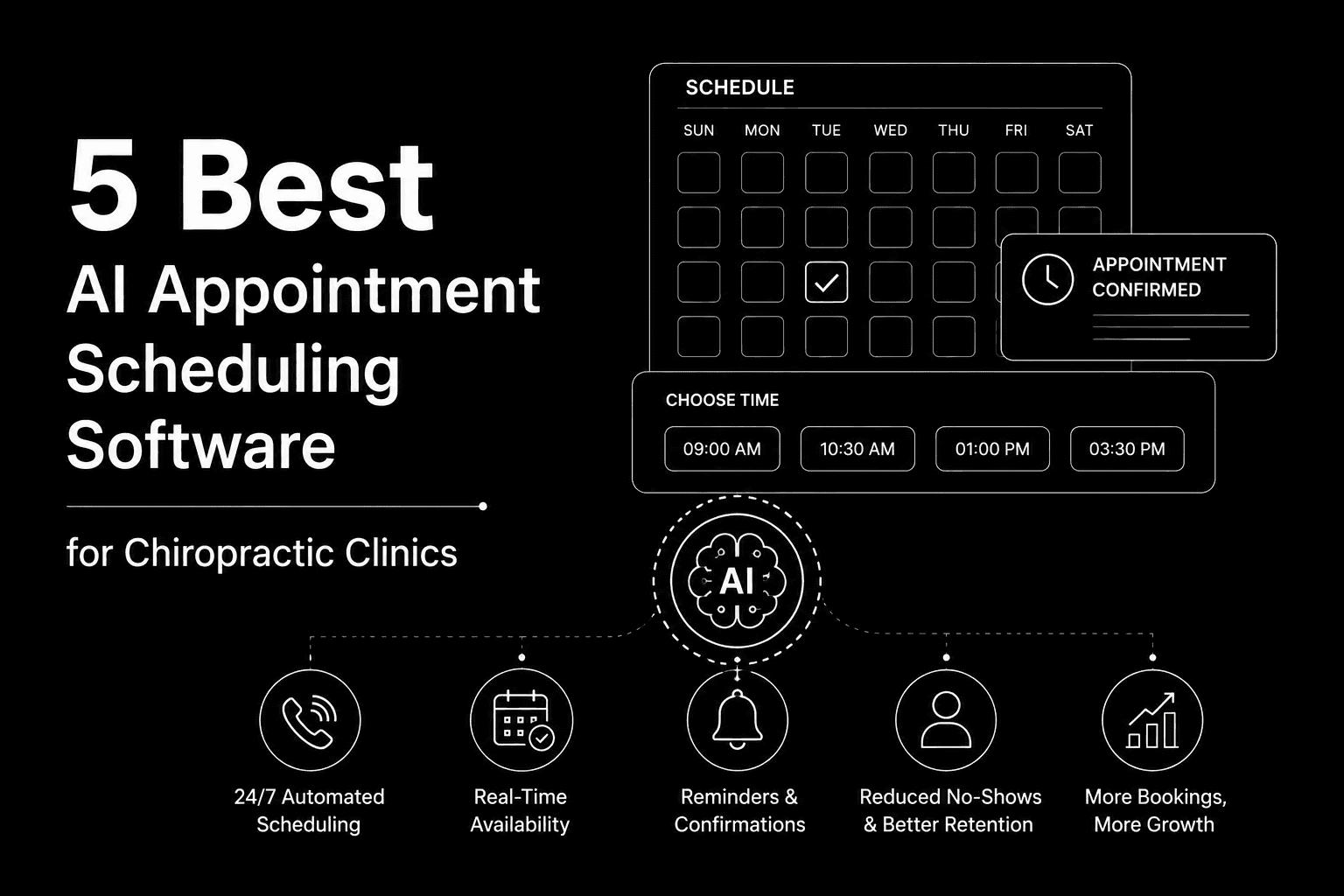
5 Best AI Appointment Scheduling Software for Chiropractic Clinics
Compare the 5 best AI appointment scheduling software for chiropractic clinics in 2026 — see which tools cut no-shows and free up your front desk.

Articles
5 Best AI Answering Services for Urgent Care Clinics
Compare the top AI answering services for urgent care clinics in 2026 — HIPAA compliance, triage accuracy, EHR integration, and real patient experience.
Load More
Latest Insights
All Resources
Articles
Case Studies
Tutorials
Articles
5 Best AI Appointment Scheduling Software for Chiropractic Clinics
Compare the 5 best AI appointment scheduling software for chiropractic clinics in 2026 — see which tools cut no-shows and free up your front desk.
Articles
5 Best AI Answering Services for Urgent Care Clinics
Compare the top AI answering services for urgent care clinics in 2026 — HIPAA compliance, triage accuracy, EHR integration, and real patient experience.
Load More

Automate your business with AI phone Agents
Automate your business with AI phone Agents
Automate your business with AI phone Agents
Automate your business with AI phone Agents
Call automation for healthcare, real estate, logistics, financial services & small businesses.
Call automation for healthcare, real estate, logistics, financial services & small businesses.

Join Discord
Connect with our community, ask questions, and stay updated on product news.

Book a Call
Schedule a quick call with our team to explore solutions for your needs.
Get started
Industries
Usecases
Integrations
Legal & Community

Join Discord
Connect with our community, ask questions, and stay updated on product news.
Book a Call
Schedule a quick call with our team to explore solutions for your needs.
Get started
Industries
Usecases
Integrations
Legal & Community
Join Discord
Connect with our community, ask questions, and stay updated on product news.
Book a Call
Schedule a quick call with our team to explore solutions for your needs.
Get started
Industries
Usecases
Integrations
Legal & Community
Join Discord
Connect with our community, ask questions, and stay updated on product news.
Book a Call
Schedule a quick call with our team to explore solutions for your needs.
Get started
Industries
Usecases
Integrations
Legal & Community