
All Insights
Articles
How AI Voice Agent Use Data Analytics to Improve Patient Call Handling in Healthcare?
Discover how Brilo AI voice agents use data analytics to optimize patient call handling, reduce wait times, and improve patient satisfaction in healthcare.





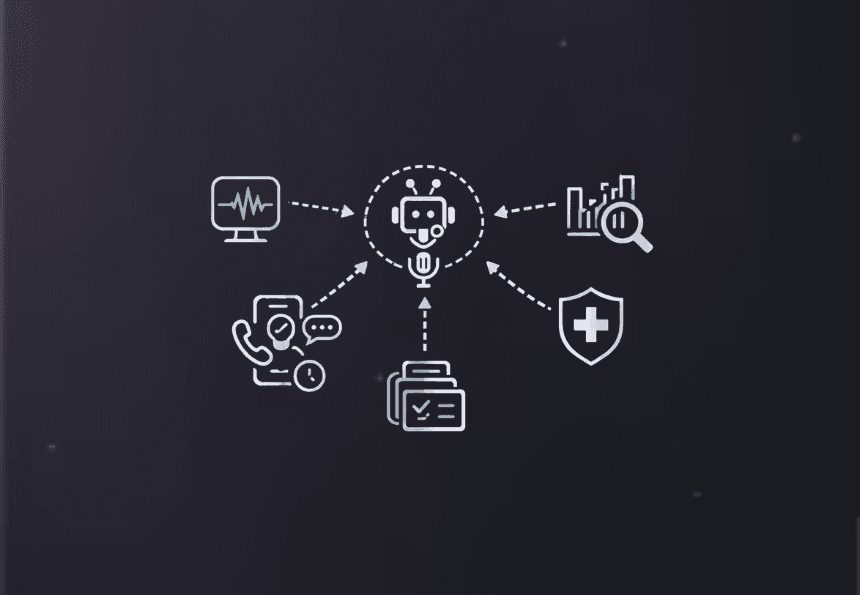
AI voice agents for data analytics are transforming the way healthcare handles patient calls. By leveraging real-time data, these systems optimize call routing, reduce wait times, and improve the accuracy of responses to patient queries.
As patient call volumes increase, AI voice agents help streamline the process by automating routine tasks. This enables healthcare providers to focus on more complex issues while ensuring timely and effective communication.
Data analytics further improves patient experience by personalizing interactions. By analyzing past call data, AI systems predict patient needs, ensuring responses are relevant and improving overall satisfaction.
How Do AI Voice Agents Use Data Analytics to Improve Patient Call Handling?
AI voice agents use data analytics to improve patient call handling by automating routine tasks, reducing human error, and improving response times. With real-time data insights, these systems help healthcare providers streamline operations, increase efficiency, and deliver personalized patient experiences.
Below are the core tasks they handle:
Automating Patient Interactions: AI voice agents use data to automate routine call functions, reducing the need for human involvement and ensuring accuracy.
Real-Time Call Routing: Data analytics ensures that patient calls are instantly directed to the appropriate department, improving service speed.
Predictive Analytics For Patient Needs: AI systems analyze historical data to predict and address patient requirements before they are even voiced.
Reducing Wait Times And Improving Satisfaction: By analyzing call volumes and patterns, AI voice agents minimize hold times and ensure faster responses.
What Are the Key Benefits of Using Data Analytics in AI Voice Agent for Healthcare?
Data analytics plays a crucial role in the effectiveness of AI voice agents for healthcare. By processing and analyzing patient data in real-time, these systems improve call handling efficiency, reduce errors, and improve the overall patient experience.
Below are the key benefits:
Improved Call Accuracy: AI voice agents use data analytics to route calls accurately, ensuring patients receive the right assistance without errors.
Faster Response Times: Data insights help AI systems prioritize and direct calls quickly, reducing wait times and improving patient satisfaction.
Personalized Interactions: AI voice agents analyze patient history to deliver more tailored responses, leading to better patient engagement.
Improved Operational Efficiency: By automating routine tasks, AI voice agents free up human agents to focus on more complex cases, boosting overall productivity.
How Do AI Voice Systems Leverage Data Analytics to Optimize Patient Call Handling?
AI voice systems leverage data analytics to optimize patient call handling by analyzing real-time data, identifying patient needs, and routing calls efficiently. These systems use historical and predictive data to personalize interactions, reduce wait times, and improve accuracy. The result is faster, more efficient call resolutions and improved patient satisfaction.
Personalizing Patient Interactions Using Data Insights
AI voice agents use data insights to personalize patient interactions by analyzing historical information such as previous calls, medical records, and preferences. This enables the system to tailor responses and recommendations, making patients feel more understood. Personalized interactions improve trust, engagement, and overall patient satisfaction.
Here’s how AI does it:
Tailored Responses: AI uses patient data to create personalized, relevant interactions during calls.
Predictive Care: Historical data helps anticipate patient needs, providing proactive responses for better service.
Trust Building: Personalized interactions lead to stronger trust between patients and healthcare providers.
Engagement Boost: AI-powered personalization increases patient engagement, ensuring higher satisfaction and loyalty.
Using Predictive Analytics for Efficient Call Routing
Predictive analytics helps AI voice agents direct calls more efficiently by anticipating the patient’s needs based on past data. By analyzing patterns, AI systems can determine which department or specialist is best suited to handle the call. This ensures quicker resolutions and improves operational efficiency, reducing patient frustration.
Here’s how AI optimizes routing:
Intelligent Call Routing: Predictive analytics determine the correct department based on patient needs.
Optimal Resource Allocation: AI identifies peak call times to allocate resources more efficiently.
Reduced Hold Times: By predicting call types, AI minimizes wait times and unnecessary transfers.
Improved Workflows: Predictive analytics streamline workflows, ensuring faster resolutions and better patient care.
Reducing Call Wait Times with Real-Time Data
AI voice agents use real-time data to manage call queues and reduce wait times. By continuously analyzing incoming call traffic and agent availability, these systems prioritize urgent calls and distribute workloads efficiently. This real-time optimization helps patients get quicker responses and ensures a more efficient healthcare call center.
Real-time data plays a vital role in this:
Instant Call Prioritization: AI uses real-time data to prioritize urgent calls, ensuring immediate attention.
Agent Availability Tracking: AI monitors agent availability, reducing unnecessary hold times for patients.
Efficient Call Distribution: Real-time data helps route calls based on availability, minimizing delays.
Faster Responses: By analyzing incoming data, AI enables agents to address patient needs faster and more accurately.
Improving Accuracy and Decision-Making with Data-Driven Insights
AI voice agents rely on data-driven insights to make informed decisions during calls. By analyzing past interactions, patient history, and real-time data, these systems provide accurate solutions, minimize errors, and reduce misunderstandings. This leads to better-informed decisions, allowing agents to address patient concerns with precision and confidence.
Here’s how AI uses data:
Real-Time Decision Support: AI analyzes patient data to provide accurate, informed responses to inquiries.
Context-Aware Solutions: Data insights help AI understand patient history, offering relevant and precise solutions.
Reduced Errors: By utilizing past data, AI voice agents make more accurate decisions, reducing human error.
Better Patient Care: Data-driven decisions improve the overall quality of care and patient satisfaction.
Improving Patient Satisfaction through Data-Optimized Responses
Data-optimized responses from AI voice agents significantly improve patient satisfaction. By utilizing patient data, AI systems deliver relevant, timely, and accurate information during calls. This ensures that patients receive personalized care, reducing frustration and improving their overall experience with the healthcare provider, ultimately improving loyalty and retention.
Data-optimized responses ensure faster, more accurate solutions, directly impacting patient satisfaction:
Quick Issue Resolution: AI uses data to provide timely solutions, reducing patient wait times.
Personalized Care: Data helps AI understand patient preferences, improving the quality of each interaction.
Efficient Service: By leveraging data insights, AI delivers quicker, more efficient responses to patient queries.
Higher Patient Trust: Optimized responses build patient trust, ensuring a more positive healthcare experience.
Seamless Integration with Healthcare Systems for Call Optimization
AI voice agents integrate seamlessly with healthcare systems like electronic health records (EHR) and patient management software. This integration enables real-time access to patient data, helping AI systems offer accurate, up-to-date information during calls. It improves the efficiency of call handling, reduces errors, and ensures a smoother workflow for healthcare providers.
Seamless integration with healthcare systems optimizes AI performance and ensures accurate service. Here's how:
EHR Integration: AI integrates with electronic health records, providing up-to-date patient information during calls.
Improved Data Accuracy: Integration ensures that AI has access to the most accurate and current data.
Streamlined Workflows: AI connects with existing systems, ensuring a smooth, efficient call handling process.
Improved Operational Efficiency: Data integration reduces redundancies and improves the overall efficiency of call operations.
How Do AI Voice Agent Improve Accuracy in Patient Call Handling with Data Analytics?
AI voice agents leverage data analytics to reduce errors and improve accuracy in patient call handling. By processing real-time and historical healthcare data, these systems help ensure calls connect with the right support, deliver precise information, and reduce guesswork. Data‑driven accuracy builds reliability and trust for patients every time.
Here are the core tasks they handle:
Accurate Call Context Recognition: Voice calling AI agents for healthcare analyze spoken input to understand patient intent precisely.
Relevant Patient Data Access: AI voice agents for patient calls pull up key records quickly for accurate responses.
Data‑Assisted Resolution Suggestions: AI call agents for data analytics use patterns to offer the most suitable solutions fast.
Consistent Response Delivery: With data analytics, AI voice agents for handling calls reduce variance in answers, improving reliability.
What Impact Does AI Data Analytics Have on Healthcare Operational Efficiency?
AI data analytics drives measurable improvements in healthcare operations by analyzing patterns, predicting demand, and guiding intelligent automation. Systems powered by data help healthcare teams reduce manual effort, cut errors, and improve service quality through automated insights, leading to more efficient call centers and smoother patient interactions.
Here are the core impacts:
Data‑Driven Call Prioritization: AI voice agents for handling calls use analytics to prioritize urgent patient needs accurately.
Smarter Workforce Planning: AI call agents for data analytics forecast call volumes and allocate staff where needed most.
Real‑Time Operational Adjustments: Voice calling AI agents for healthcare use live data to reduce delays and improve flows.
Reliable Outcome Tracking: AI voice agents for patient calls measure performance trends to refine processes and improve overall care.
Frequently Asked Question
How Do AI Voice Agents Use Data Analytics to Improve Patient Call Handling?
AI voice agents for patient calls leverage data analytics to personalize interactions, predict patient needs, and route calls effectively. By analyzing historical and real-time data, AI ensures quicker resolutions, reduces human error, and provides more efficient call handling for healthcare providers.
How Does Data Analytics Improve the Accuracy of AI Voice Agents?
Data analytics improves AI voice agents for handling calls by providing insights from patient history, ensuring more accurate responses. By accessing and processing past interactions, AI reduces miscommunication and errors, improving the quality of patient interactions and service delivery.
How Do AI Voice Agents Use Predictive Analytics in Call Routing?
AI voice agents for patient calls use predictive analytics to forecast call volumes and route calls based on urgency. By analyzing patterns in patient needs, AI ensures calls are efficiently directed to the correct department, minimizing hold times and improving service.
What Benefits Does Real-Time Data Provide for AI Voice Agents?
Real-time data provides AI voice agents with immediate insights into patient needs, enabling quick decision-making. By using this data, AI optimizes call routing, reduces delays, and ensures that patients receive accurate, timely responses, ultimately improving operational efficiency and satisfaction.
Improve Patient Calls Data Analytics With Brilo AI Voice Agent
AI voice agents provide a reliable solution for improving patient call handling. By using data analytics, these agents optimize call routing, reduce wait times, and improve patient satisfaction. Brilo AI offers a robust platform that analyzes patient data in real-time, ensuring faster, more accurate responses while easing the workload on human agents.
Ready to optimize patient calls and improve healthcare services? Book a call today to discover how Brilo AI can improve your patient interactions and overall healthcare operations.
All Insights
Articles
How AI Voice Agent Use Data Analytics to Improve Patient Call Handling in Healthcare?
Discover how Brilo AI voice agents use data analytics to optimize patient call handling, reduce wait times, and improve patient satisfaction in healthcare.
AI voice agents for data analytics are transforming the way healthcare handles patient calls. By leveraging real-time data, these systems optimize call routing, reduce wait times, and improve the accuracy of responses to patient queries.
As patient call volumes increase, AI voice agents help streamline the process by automating routine tasks. This enables healthcare providers to focus on more complex issues while ensuring timely and effective communication.
Data analytics further improves patient experience by personalizing interactions. By analyzing past call data, AI systems predict patient needs, ensuring responses are relevant and improving overall satisfaction.
How Do AI Voice Agents Use Data Analytics to Improve Patient Call Handling?
AI voice agents use data analytics to improve patient call handling by automating routine tasks, reducing human error, and improving response times. With real-time data insights, these systems help healthcare providers streamline operations, increase efficiency, and deliver personalized patient experiences.
Below are the core tasks they handle:
Automating Patient Interactions: AI voice agents use data to automate routine call functions, reducing the need for human involvement and ensuring accuracy.
Real-Time Call Routing: Data analytics ensures that patient calls are instantly directed to the appropriate department, improving service speed.
Predictive Analytics For Patient Needs: AI systems analyze historical data to predict and address patient requirements before they are even voiced.
Reducing Wait Times And Improving Satisfaction: By analyzing call volumes and patterns, AI voice agents minimize hold times and ensure faster responses.
What Are the Key Benefits of Using Data Analytics in AI Voice Agent for Healthcare?
Data analytics plays a crucial role in the effectiveness of AI voice agents for healthcare. By processing and analyzing patient data in real-time, these systems improve call handling efficiency, reduce errors, and improve the overall patient experience.
Below are the key benefits:
Improved Call Accuracy: AI voice agents use data analytics to route calls accurately, ensuring patients receive the right assistance without errors.
Faster Response Times: Data insights help AI systems prioritize and direct calls quickly, reducing wait times and improving patient satisfaction.
Personalized Interactions: AI voice agents analyze patient history to deliver more tailored responses, leading to better patient engagement.
Improved Operational Efficiency: By automating routine tasks, AI voice agents free up human agents to focus on more complex cases, boosting overall productivity.
How Do AI Voice Systems Leverage Data Analytics to Optimize Patient Call Handling?
AI voice systems leverage data analytics to optimize patient call handling by analyzing real-time data, identifying patient needs, and routing calls efficiently. These systems use historical and predictive data to personalize interactions, reduce wait times, and improve accuracy. The result is faster, more efficient call resolutions and improved patient satisfaction.
Personalizing Patient Interactions Using Data Insights
AI voice agents use data insights to personalize patient interactions by analyzing historical information such as previous calls, medical records, and preferences. This enables the system to tailor responses and recommendations, making patients feel more understood. Personalized interactions improve trust, engagement, and overall patient satisfaction.
Here’s how AI does it:
Tailored Responses: AI uses patient data to create personalized, relevant interactions during calls.
Predictive Care: Historical data helps anticipate patient needs, providing proactive responses for better service.
Trust Building: Personalized interactions lead to stronger trust between patients and healthcare providers.
Engagement Boost: AI-powered personalization increases patient engagement, ensuring higher satisfaction and loyalty.
Using Predictive Analytics for Efficient Call Routing
Predictive analytics helps AI voice agents direct calls more efficiently by anticipating the patient’s needs based on past data. By analyzing patterns, AI systems can determine which department or specialist is best suited to handle the call. This ensures quicker resolutions and improves operational efficiency, reducing patient frustration.
Here’s how AI optimizes routing:
Intelligent Call Routing: Predictive analytics determine the correct department based on patient needs.
Optimal Resource Allocation: AI identifies peak call times to allocate resources more efficiently.
Reduced Hold Times: By predicting call types, AI minimizes wait times and unnecessary transfers.
Improved Workflows: Predictive analytics streamline workflows, ensuring faster resolutions and better patient care.
Reducing Call Wait Times with Real-Time Data
AI voice agents use real-time data to manage call queues and reduce wait times. By continuously analyzing incoming call traffic and agent availability, these systems prioritize urgent calls and distribute workloads efficiently. This real-time optimization helps patients get quicker responses and ensures a more efficient healthcare call center.
Real-time data plays a vital role in this:
Instant Call Prioritization: AI uses real-time data to prioritize urgent calls, ensuring immediate attention.
Agent Availability Tracking: AI monitors agent availability, reducing unnecessary hold times for patients.
Efficient Call Distribution: Real-time data helps route calls based on availability, minimizing delays.
Faster Responses: By analyzing incoming data, AI enables agents to address patient needs faster and more accurately.
Improving Accuracy and Decision-Making with Data-Driven Insights
AI voice agents rely on data-driven insights to make informed decisions during calls. By analyzing past interactions, patient history, and real-time data, these systems provide accurate solutions, minimize errors, and reduce misunderstandings. This leads to better-informed decisions, allowing agents to address patient concerns with precision and confidence.
Here’s how AI uses data:
Real-Time Decision Support: AI analyzes patient data to provide accurate, informed responses to inquiries.
Context-Aware Solutions: Data insights help AI understand patient history, offering relevant and precise solutions.
Reduced Errors: By utilizing past data, AI voice agents make more accurate decisions, reducing human error.
Better Patient Care: Data-driven decisions improve the overall quality of care and patient satisfaction.
Improving Patient Satisfaction through Data-Optimized Responses
Data-optimized responses from AI voice agents significantly improve patient satisfaction. By utilizing patient data, AI systems deliver relevant, timely, and accurate information during calls. This ensures that patients receive personalized care, reducing frustration and improving their overall experience with the healthcare provider, ultimately improving loyalty and retention.
Data-optimized responses ensure faster, more accurate solutions, directly impacting patient satisfaction:
Quick Issue Resolution: AI uses data to provide timely solutions, reducing patient wait times.
Personalized Care: Data helps AI understand patient preferences, improving the quality of each interaction.
Efficient Service: By leveraging data insights, AI delivers quicker, more efficient responses to patient queries.
Higher Patient Trust: Optimized responses build patient trust, ensuring a more positive healthcare experience.
Seamless Integration with Healthcare Systems for Call Optimization
AI voice agents integrate seamlessly with healthcare systems like electronic health records (EHR) and patient management software. This integration enables real-time access to patient data, helping AI systems offer accurate, up-to-date information during calls. It improves the efficiency of call handling, reduces errors, and ensures a smoother workflow for healthcare providers.
Seamless integration with healthcare systems optimizes AI performance and ensures accurate service. Here's how:
EHR Integration: AI integrates with electronic health records, providing up-to-date patient information during calls.
Improved Data Accuracy: Integration ensures that AI has access to the most accurate and current data.
Streamlined Workflows: AI connects with existing systems, ensuring a smooth, efficient call handling process.
Improved Operational Efficiency: Data integration reduces redundancies and improves the overall efficiency of call operations.
How Do AI Voice Agent Improve Accuracy in Patient Call Handling with Data Analytics?
AI voice agents leverage data analytics to reduce errors and improve accuracy in patient call handling. By processing real-time and historical healthcare data, these systems help ensure calls connect with the right support, deliver precise information, and reduce guesswork. Data‑driven accuracy builds reliability and trust for patients every time.
Here are the core tasks they handle:
Accurate Call Context Recognition: Voice calling AI agents for healthcare analyze spoken input to understand patient intent precisely.
Relevant Patient Data Access: AI voice agents for patient calls pull up key records quickly for accurate responses.
Data‑Assisted Resolution Suggestions: AI call agents for data analytics use patterns to offer the most suitable solutions fast.
Consistent Response Delivery: With data analytics, AI voice agents for handling calls reduce variance in answers, improving reliability.
What Impact Does AI Data Analytics Have on Healthcare Operational Efficiency?
AI data analytics drives measurable improvements in healthcare operations by analyzing patterns, predicting demand, and guiding intelligent automation. Systems powered by data help healthcare teams reduce manual effort, cut errors, and improve service quality through automated insights, leading to more efficient call centers and smoother patient interactions.
Here are the core impacts:
Data‑Driven Call Prioritization: AI voice agents for handling calls use analytics to prioritize urgent patient needs accurately.
Smarter Workforce Planning: AI call agents for data analytics forecast call volumes and allocate staff where needed most.
Real‑Time Operational Adjustments: Voice calling AI agents for healthcare use live data to reduce delays and improve flows.
Reliable Outcome Tracking: AI voice agents for patient calls measure performance trends to refine processes and improve overall care.
Frequently Asked Question
How Do AI Voice Agents Use Data Analytics to Improve Patient Call Handling?
AI voice agents for patient calls leverage data analytics to personalize interactions, predict patient needs, and route calls effectively. By analyzing historical and real-time data, AI ensures quicker resolutions, reduces human error, and provides more efficient call handling for healthcare providers.
How Does Data Analytics Improve the Accuracy of AI Voice Agents?
Data analytics improves AI voice agents for handling calls by providing insights from patient history, ensuring more accurate responses. By accessing and processing past interactions, AI reduces miscommunication and errors, improving the quality of patient interactions and service delivery.
How Do AI Voice Agents Use Predictive Analytics in Call Routing?
AI voice agents for patient calls use predictive analytics to forecast call volumes and route calls based on urgency. By analyzing patterns in patient needs, AI ensures calls are efficiently directed to the correct department, minimizing hold times and improving service.
What Benefits Does Real-Time Data Provide for AI Voice Agents?
Real-time data provides AI voice agents with immediate insights into patient needs, enabling quick decision-making. By using this data, AI optimizes call routing, reduces delays, and ensures that patients receive accurate, timely responses, ultimately improving operational efficiency and satisfaction.
Improve Patient Calls Data Analytics With Brilo AI Voice Agent
AI voice agents provide a reliable solution for improving patient call handling. By using data analytics, these agents optimize call routing, reduce wait times, and improve patient satisfaction. Brilo AI offers a robust platform that analyzes patient data in real-time, ensuring faster, more accurate responses while easing the workload on human agents.
Ready to optimize patient calls and improve healthcare services? Book a call today to discover how Brilo AI can improve your patient interactions and overall healthcare operations.
Latest Insights
All Resources
Articles
Case Studies
Tutorials

Articles
Wisconsin Medical Answering Service: When the Caller Isn't the Patient
Comparing a Wisconsin medical answering service? Test it on calls from family and caregivers: HIPAA, Wis. Stat. 146.82, health care agents and what to say.

Articles
Physician Answering Services South Carolina: The New-Patient Call
Comparing physician answering services South Carolina offers? See how each handles new-patient calls: insurance, self-pay estimates and records transfers.
Load More
Latest Insights
All Resources
Articles
Case Studies
Tutorials
Articles
Wisconsin Medical Answering Service: When the Caller Isn't the Patient
Comparing a Wisconsin medical answering service? Test it on calls from family and caregivers: HIPAA, Wis. Stat. 146.82, health care agents and what to say.
Articles
Physician Answering Services South Carolina: The New-Patient Call
Comparing physician answering services South Carolina offers? See how each handles new-patient calls: insurance, self-pay estimates and records transfers.
Load More

Automate your business with AI phone Agents
Automate your business with AI phone Agents
Automate your business with AI phone Agents
Automate your business with AI phone Agents
Call automation for healthcare, real estate, logistics, financial services & small businesses.
Call automation for healthcare, real estate, logistics, financial services & small businesses.

Join Discord
Connect with our community, ask questions, and stay updated on product news.

Book a Call
Schedule a quick call with our team to explore solutions for your needs.
Get started
Industries
Usecases
Integrations
Legal & Community

Join Discord
Connect with our community, ask questions, and stay updated on product news.
Book a Call
Schedule a quick call with our team to explore solutions for your needs.
Get started
Industries
Usecases
Integrations
Legal & Community
Join Discord
Connect with our community, ask questions, and stay updated on product news.
Book a Call
Schedule a quick call with our team to explore solutions for your needs.
Get started
Industries
Usecases
Integrations
Legal & Community
Join Discord
Connect with our community, ask questions, and stay updated on product news.
Book a Call
Schedule a quick call with our team to explore solutions for your needs.
Get started
Industries
Usecases
Integrations
Legal & Community