
All Insights
Articles
How Does Voice AI Intent Recognition Improve Healthcare Support?
Learn how Brilo AI voice agents improve patient intent recognition, reduce call confusion, and help healthcare teams respond faster.





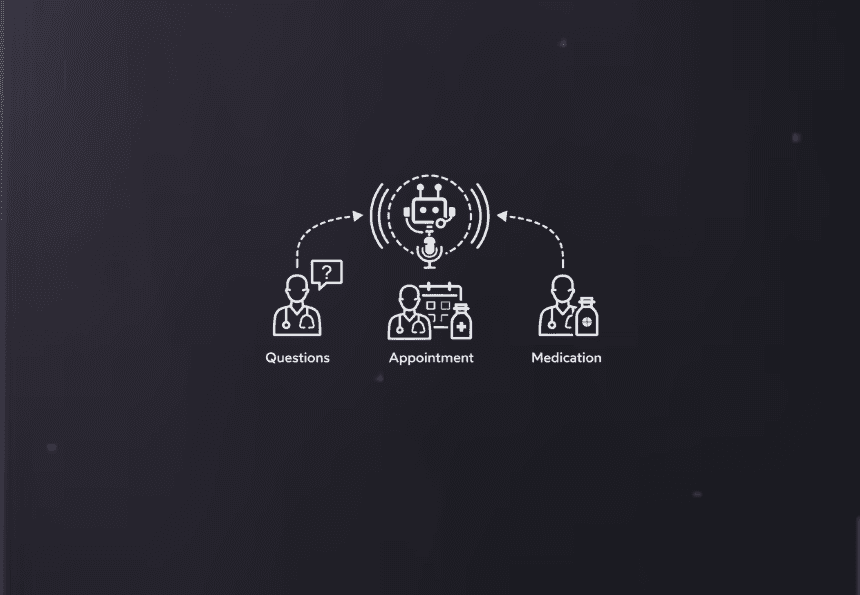
Healthcare providers receive thousands of patient calls daily about appointments, prescriptions, and medical questions. Patients explain requests in different ways, which makes patient intent recognition difficult during phone conversations. An accurate understanding of each request helps healthcare teams respond without delay.
Traditional phone systems rely on rigid menus and scripted responses. Patients often speak naturally and describe needs in ways these systems cannot interpret correctly. An AI voice agent for intent recognition analyzes spoken language and identifies what a patient actually means.
Accurate intent detection helps healthcare teams route calls correctly and respond faster. AI Voice technology uses speech patterns and conversation context to understand each request more clearly.
What Is Patient Intent Recognition in Healthcare Voice Conversations?
Patient intent recognition in healthcare voice conversations means identifying what a caller needs during a live call. Patients use different words for appointments, prescriptions, symptoms, and billing questions. Voice systems analyze speech, meaning, and context to classify requests and guide each caller to action.
Here are the core parts of patient intent recognition:
Speech-to-text conversion: Converts spoken patient language into accurate, usable text for analysis.
Intent detection: Identifies whether callers need appointments, refills, billing help, or support.
Context understanding: Interprets follow-up responses to understand patient needs more clearly.
Workflow routing: Directs each patient request to the correct department, staff member, or next action.
Why Accurate Patient Intent Recognition Matters in AI Healthcare Calls?
Accurate patient intent recognition keeps healthcare calls efficient, timely, and actionable. Patients ask about appointments, refills, insurance, and symptoms in many ways. AI voice systems detect each request correctly, trigger the right workflow, reduce call transfers, and help teams respond faster during high-volume healthcare operations.
Here are the key outcomes accurate intent recognition enables:
Request detection: Identifies exact patient needs from natural speech during live healthcare calls.
Smart routing: Directs each patient call to the correct department or support team.
Workflow action: Triggers scheduling, refill processing, or information support without manual handling.
Delay reduction: Reduces wait times, repeated explanations, and unnecessary transfers during busy call periods.
How AI Voice Agents Identify Patient Intent in Real Time?
Healthcare callers often struggle to communicate needs clearly during phone conversations. Patients describe problems in different ways, which creates confusion for automated phone menus and busy call centers. Voice technology improves healthcare communication by understanding language patterns and interpreting patient requests accurately during live calls.
Converting Patient Speech Into Structured Data With Speech Recognition
Patients often struggle when phone systems fail to understand spoken words clearly. Accents, background noise, and medical terms create confusion during healthcare calls. Misinterpreted speech forces patients to repeat information multiple times. Long repetition increases frustration, especially when callers need urgent help, such as booking appointments or requesting prescription refills.
Here are the key speech recognition issues patients often face:
Speech Recognition Errors: Patients repeat medication names or symptoms when systems misunderstand spoken medical information.
Accent and Pronunciation Differences: Diverse accents cause automated phone systems to misinterpret important healthcare requests.
Background Noise Interference: Call environments with noise reduce speech clarity and lead to incorrect request recognition.
Incomplete Speech Capture: Systems sometimes record partial sentences, causing confusion about patient healthcare needs.
Identifying Patient Requests Using Natural Language Understanding
Patients rarely describe requests using exact phrases expected by phone systems. Many callers explain symptoms, appointment needs, or prescription questions using casual language. Rigid systems fail to interpret meaning correctly. Incorrect understanding causes repeated explanations, longer calls, and delays in connecting patients with the right healthcare department.
Here are the main request understanding problems patients often experience:
Unclear Request Interpretation: Systems struggle to understand patient phrasing when requests do not match predefined keywords.
Different Language Expressions: Patients describe identical healthcare needs using completely different phrases or explanations.
Misclassified Patient Requests: Incorrect interpretation sends callers to departments unrelated to their medical inquiry.
Repeated Explanation Burden: Patients repeat appointment or prescription requests multiple times during one call.
Recognizing Multiple Ways Patients Express the Same Intent
Different patients express identical healthcare needs using different words. One caller may ask for a doctor visit while another asks about checking symptoms tomorrow. Phone systems that rely on specific keywords fail to recognize both requests as the same intent, which causes incorrect call routing and unnecessary call transfers.
Here are the main phrasing challenges that affect patient intent recognition:
Phrase Variation Confusion: Systems fail to recognize appointment requests expressed through different conversational phrases.
Keyword Dependency Issues: Rigid systems require specific wording before recognizing patient healthcare intent.
Intent Mismatch Problems: Requests expressed casually often fail to match predefined healthcare intent categories.
Patient Frustration Increases: Multiple explanations become necessary when systems cannot recognize varied request wording.
Using Conversation Context to Interpret Patient Needs
Patients often explain requests across multiple sentences during healthcare calls. One statement may mention symptoms while another asks about available appointments. Systems that ignore conversation context fail to link these statements together. Patients must repeat explanations, which slows communication and creates confusion during important medical inquiries.
Here are the main context gaps that create patient call confusion:
Disconnected Conversation Analysis: Systems interpret sentences separately instead of linking related healthcare requests.
Follow-Up Confusion: Later responses fail to connect with earlier statements about symptoms or appointments.
Context Loss During Dialogue: Systems forget previous patient details while processing ongoing conversations.
Repeated Clarification Requirement: Patients restate earlier information when systems miss contextual meaning.
Learning From Past Patient Calls to Improve Intent Accuracy
Healthcare call centers experience repeated communication problems when systems fail to learn from previous conversations. Patients continue facing identical misunderstandings during calls. Repeated misinterpretation of requests increases wait times and staff workload. Lack of learning capability prevents improvement in recognizing common patient phrases used during healthcare conversations.
Here are the main learning gaps that reduce recognition accuracy:
Lack of Learning Capability: Systems repeat identical interpretation mistakes across similar patient calls.
Common Phrase Misunderstanding: Frequently used patient expressions remain unrecognized without adaptive learning.
Operational Inefficiency Growth: Staff handles repeated misunderstandings caused by static call systems.
Limited Improvement Over Time: Systems fail to improve recognition accuracy despite handling many healthcare calls.
Triggering Correct Healthcare Actions Based on Detected Patient Intent
Patients expect quick action after explaining their needs during healthcare calls. Poor intent recognition delays appointment scheduling, prescription requests, or medical information delivery. Incorrect classification often routes callers to the wrong departments. Patients must restart conversations, which increases frustration and slows access to the healthcare support they need.
Here are the main action delays caused by incorrect intent detection:
Incorrect Workflow Activation: Systems trigger the wrong processes after misunderstanding patient requests.
Call Transfer Delays: Misidentified intent routes patients to unrelated departments or services.
Delayed Appointment Scheduling: Incorrect request classification slows access to healthcare providers.
Repeated Call Attempts: Patients call again when earlier requests fail, triggering correct healthcare actions.
How AI Voice Systems for Intent Recognition Support Better Patient Call Handling?
Healthcare providers handle high volumes of patient calls related to appointments, prescriptions, symptoms, and insurance questions. Efficient call handling requires understanding patient requests instantly and routing them correctly. AI voice systems for intent recognition support these tasks by interpreting spoken requests and guiding calls to the right action.
Here are the core ways these systems support patient call handling:
Patient request identification: AI voice agents analyze spoken language and detect patient needs during live healthcare calls.
Accurate call routing: Voice systems direct patient inquiries to the correct departments, reducing unnecessary transfers and delays.
Real-time patient assistance: AI voice agents for speech recognition understand requests quickly and trigger appropriate workflows.
Automated task handling: Advanced voice systems manage routine patient inquiries without adding manual work.
Frequently Asked Question
What is patient intent recognition in healthcare voice calls?
Patient intent recognition identifies what a caller needs during a healthcare conversation. Systems analyze spoken language to determine whether patients want appointments, prescription refills, or medical information. Accurate detection ensures requests to correct workflows and reduces confusion during healthcare phone conversations.
How do AI voice agents detect patient intent during live calls?
AI voice agents analyze spoken language using speech recognition and language understanding models. Systems convert patient speech into text and classify requests in real time. Accurate analysis allows healthcare platforms to detect appointment requests, medication inquiries, or information questions while the conversation continues.
Why does accurate patient intent recognition improve healthcare call handling?
Accurate intent recognition prevents call transfers, repeated explanations, and long wait times. Systems identify patient requests instantly and route calls to correct workflows. Faster request detection helps healthcare teams respond quickly, improving patient communication and reducing operational pressure on support staff.
How do AI voice agents recognize different ways patients describe the same request?
Patients often express identical healthcare needs using different phrases. AI voice agents analyze language patterns and synonyms to recognize these variations. Systems identify similar meanings behind different sentences and classify requests correctly, ensuring patients receive accurate assistance during healthcare calls.
Optimize Patient Intent Recognition & Improve Healthcare Call Handling with Brilo AI Voice Agent
AI voice agents help healthcare providers understand patient requests during live calls. Accurate intent recognition reduces misrouted calls and improves response speed. Clear detection of patient needs allows healthcare teams to manage appointments, prescription requests, and inquiries more efficiently.
Brilo AI supports patient communication by analyzing speech and identifying call intent in real time. Intelligent voice processing improves routing accuracy and reduces repetitive manual work for healthcare staff. Ready to improve patient intent recognition and streamline healthcare call handling?
Book a call today to see how Brilo AI helps healthcare teams respond faster and manage patient communication efficiently.
All Insights
Articles
How Does Voice AI Intent Recognition Improve Healthcare Support?
Learn how Brilo AI voice agents improve patient intent recognition, reduce call confusion, and help healthcare teams respond faster.
Healthcare providers receive thousands of patient calls daily about appointments, prescriptions, and medical questions. Patients explain requests in different ways, which makes patient intent recognition difficult during phone conversations. An accurate understanding of each request helps healthcare teams respond without delay.
Traditional phone systems rely on rigid menus and scripted responses. Patients often speak naturally and describe needs in ways these systems cannot interpret correctly. An AI voice agent for intent recognition analyzes spoken language and identifies what a patient actually means.
Accurate intent detection helps healthcare teams route calls correctly and respond faster. AI Voice technology uses speech patterns and conversation context to understand each request more clearly.
What Is Patient Intent Recognition in Healthcare Voice Conversations?
Patient intent recognition in healthcare voice conversations means identifying what a caller needs during a live call. Patients use different words for appointments, prescriptions, symptoms, and billing questions. Voice systems analyze speech, meaning, and context to classify requests and guide each caller to action.
Here are the core parts of patient intent recognition:
Speech-to-text conversion: Converts spoken patient language into accurate, usable text for analysis.
Intent detection: Identifies whether callers need appointments, refills, billing help, or support.
Context understanding: Interprets follow-up responses to understand patient needs more clearly.
Workflow routing: Directs each patient request to the correct department, staff member, or next action.
Why Accurate Patient Intent Recognition Matters in AI Healthcare Calls?
Accurate patient intent recognition keeps healthcare calls efficient, timely, and actionable. Patients ask about appointments, refills, insurance, and symptoms in many ways. AI voice systems detect each request correctly, trigger the right workflow, reduce call transfers, and help teams respond faster during high-volume healthcare operations.
Here are the key outcomes accurate intent recognition enables:
Request detection: Identifies exact patient needs from natural speech during live healthcare calls.
Smart routing: Directs each patient call to the correct department or support team.
Workflow action: Triggers scheduling, refill processing, or information support without manual handling.
Delay reduction: Reduces wait times, repeated explanations, and unnecessary transfers during busy call periods.
How AI Voice Agents Identify Patient Intent in Real Time?
Healthcare callers often struggle to communicate needs clearly during phone conversations. Patients describe problems in different ways, which creates confusion for automated phone menus and busy call centers. Voice technology improves healthcare communication by understanding language patterns and interpreting patient requests accurately during live calls.
Converting Patient Speech Into Structured Data With Speech Recognition
Patients often struggle when phone systems fail to understand spoken words clearly. Accents, background noise, and medical terms create confusion during healthcare calls. Misinterpreted speech forces patients to repeat information multiple times. Long repetition increases frustration, especially when callers need urgent help, such as booking appointments or requesting prescription refills.
Here are the key speech recognition issues patients often face:
Speech Recognition Errors: Patients repeat medication names or symptoms when systems misunderstand spoken medical information.
Accent and Pronunciation Differences: Diverse accents cause automated phone systems to misinterpret important healthcare requests.
Background Noise Interference: Call environments with noise reduce speech clarity and lead to incorrect request recognition.
Incomplete Speech Capture: Systems sometimes record partial sentences, causing confusion about patient healthcare needs.
Identifying Patient Requests Using Natural Language Understanding
Patients rarely describe requests using exact phrases expected by phone systems. Many callers explain symptoms, appointment needs, or prescription questions using casual language. Rigid systems fail to interpret meaning correctly. Incorrect understanding causes repeated explanations, longer calls, and delays in connecting patients with the right healthcare department.
Here are the main request understanding problems patients often experience:
Unclear Request Interpretation: Systems struggle to understand patient phrasing when requests do not match predefined keywords.
Different Language Expressions: Patients describe identical healthcare needs using completely different phrases or explanations.
Misclassified Patient Requests: Incorrect interpretation sends callers to departments unrelated to their medical inquiry.
Repeated Explanation Burden: Patients repeat appointment or prescription requests multiple times during one call.
Recognizing Multiple Ways Patients Express the Same Intent
Different patients express identical healthcare needs using different words. One caller may ask for a doctor visit while another asks about checking symptoms tomorrow. Phone systems that rely on specific keywords fail to recognize both requests as the same intent, which causes incorrect call routing and unnecessary call transfers.
Here are the main phrasing challenges that affect patient intent recognition:
Phrase Variation Confusion: Systems fail to recognize appointment requests expressed through different conversational phrases.
Keyword Dependency Issues: Rigid systems require specific wording before recognizing patient healthcare intent.
Intent Mismatch Problems: Requests expressed casually often fail to match predefined healthcare intent categories.
Patient Frustration Increases: Multiple explanations become necessary when systems cannot recognize varied request wording.
Using Conversation Context to Interpret Patient Needs
Patients often explain requests across multiple sentences during healthcare calls. One statement may mention symptoms while another asks about available appointments. Systems that ignore conversation context fail to link these statements together. Patients must repeat explanations, which slows communication and creates confusion during important medical inquiries.
Here are the main context gaps that create patient call confusion:
Disconnected Conversation Analysis: Systems interpret sentences separately instead of linking related healthcare requests.
Follow-Up Confusion: Later responses fail to connect with earlier statements about symptoms or appointments.
Context Loss During Dialogue: Systems forget previous patient details while processing ongoing conversations.
Repeated Clarification Requirement: Patients restate earlier information when systems miss contextual meaning.
Learning From Past Patient Calls to Improve Intent Accuracy
Healthcare call centers experience repeated communication problems when systems fail to learn from previous conversations. Patients continue facing identical misunderstandings during calls. Repeated misinterpretation of requests increases wait times and staff workload. Lack of learning capability prevents improvement in recognizing common patient phrases used during healthcare conversations.
Here are the main learning gaps that reduce recognition accuracy:
Lack of Learning Capability: Systems repeat identical interpretation mistakes across similar patient calls.
Common Phrase Misunderstanding: Frequently used patient expressions remain unrecognized without adaptive learning.
Operational Inefficiency Growth: Staff handles repeated misunderstandings caused by static call systems.
Limited Improvement Over Time: Systems fail to improve recognition accuracy despite handling many healthcare calls.
Triggering Correct Healthcare Actions Based on Detected Patient Intent
Patients expect quick action after explaining their needs during healthcare calls. Poor intent recognition delays appointment scheduling, prescription requests, or medical information delivery. Incorrect classification often routes callers to the wrong departments. Patients must restart conversations, which increases frustration and slows access to the healthcare support they need.
Here are the main action delays caused by incorrect intent detection:
Incorrect Workflow Activation: Systems trigger the wrong processes after misunderstanding patient requests.
Call Transfer Delays: Misidentified intent routes patients to unrelated departments or services.
Delayed Appointment Scheduling: Incorrect request classification slows access to healthcare providers.
Repeated Call Attempts: Patients call again when earlier requests fail, triggering correct healthcare actions.
How AI Voice Systems for Intent Recognition Support Better Patient Call Handling?
Healthcare providers handle high volumes of patient calls related to appointments, prescriptions, symptoms, and insurance questions. Efficient call handling requires understanding patient requests instantly and routing them correctly. AI voice systems for intent recognition support these tasks by interpreting spoken requests and guiding calls to the right action.
Here are the core ways these systems support patient call handling:
Patient request identification: AI voice agents analyze spoken language and detect patient needs during live healthcare calls.
Accurate call routing: Voice systems direct patient inquiries to the correct departments, reducing unnecessary transfers and delays.
Real-time patient assistance: AI voice agents for speech recognition understand requests quickly and trigger appropriate workflows.
Automated task handling: Advanced voice systems manage routine patient inquiries without adding manual work.
Frequently Asked Question
What is patient intent recognition in healthcare voice calls?
Patient intent recognition identifies what a caller needs during a healthcare conversation. Systems analyze spoken language to determine whether patients want appointments, prescription refills, or medical information. Accurate detection ensures requests to correct workflows and reduces confusion during healthcare phone conversations.
How do AI voice agents detect patient intent during live calls?
AI voice agents analyze spoken language using speech recognition and language understanding models. Systems convert patient speech into text and classify requests in real time. Accurate analysis allows healthcare platforms to detect appointment requests, medication inquiries, or information questions while the conversation continues.
Why does accurate patient intent recognition improve healthcare call handling?
Accurate intent recognition prevents call transfers, repeated explanations, and long wait times. Systems identify patient requests instantly and route calls to correct workflows. Faster request detection helps healthcare teams respond quickly, improving patient communication and reducing operational pressure on support staff.
How do AI voice agents recognize different ways patients describe the same request?
Patients often express identical healthcare needs using different phrases. AI voice agents analyze language patterns and synonyms to recognize these variations. Systems identify similar meanings behind different sentences and classify requests correctly, ensuring patients receive accurate assistance during healthcare calls.
Optimize Patient Intent Recognition & Improve Healthcare Call Handling with Brilo AI Voice Agent
AI voice agents help healthcare providers understand patient requests during live calls. Accurate intent recognition reduces misrouted calls and improves response speed. Clear detection of patient needs allows healthcare teams to manage appointments, prescription requests, and inquiries more efficiently.
Brilo AI supports patient communication by analyzing speech and identifying call intent in real time. Intelligent voice processing improves routing accuracy and reduces repetitive manual work for healthcare staff. Ready to improve patient intent recognition and streamline healthcare call handling?
Book a call today to see how Brilo AI helps healthcare teams respond faster and manage patient communication efficiently.
Latest Insights
All Resources
Articles
Case Studies
Tutorials

Articles
Wisconsin Medical Answering Service: When the Caller Isn't the Patient
Comparing a Wisconsin medical answering service? Test it on calls from family and caregivers: HIPAA, Wis. Stat. 146.82, health care agents and what to say.

Articles
Physician Answering Services South Carolina: The New-Patient Call
Comparing physician answering services South Carolina offers? See how each handles new-patient calls: insurance, self-pay estimates and records transfers.
Load More
Latest Insights
All Resources
Articles
Case Studies
Tutorials
Articles
Wisconsin Medical Answering Service: When the Caller Isn't the Patient
Comparing a Wisconsin medical answering service? Test it on calls from family and caregivers: HIPAA, Wis. Stat. 146.82, health care agents and what to say.
Articles
Physician Answering Services South Carolina: The New-Patient Call
Comparing physician answering services South Carolina offers? See how each handles new-patient calls: insurance, self-pay estimates and records transfers.
Load More

Automate your business with AI phone Agents
Automate your business with AI phone Agents
Automate your business with AI phone Agents
Automate your business with AI phone Agents
Call automation for healthcare, real estate, logistics, financial services & small businesses.
Call automation for healthcare, real estate, logistics, financial services & small businesses.

Join Discord
Connect with our community, ask questions, and stay updated on product news.

Book a Call
Schedule a quick call with our team to explore solutions for your needs.
Get started
Industries
Usecases
Integrations
Legal & Community

Join Discord
Connect with our community, ask questions, and stay updated on product news.
Book a Call
Schedule a quick call with our team to explore solutions for your needs.
Get started
Industries
Usecases
Integrations
Legal & Community
Join Discord
Connect with our community, ask questions, and stay updated on product news.
Book a Call
Schedule a quick call with our team to explore solutions for your needs.
Get started
Industries
Usecases
Integrations
Legal & Community
Join Discord
Connect with our community, ask questions, and stay updated on product news.
Book a Call
Schedule a quick call with our team to explore solutions for your needs.
Get started
Industries
Usecases
Integrations
Legal & Community