
All Insights
Articles
How Do AI Voice Agents Use Call Summarization in Healthcare Support?
Explore how Brilo AI voice agents use call summarization to improve healthcare support, reduce delays, and help teams manage patient calls more accurately.
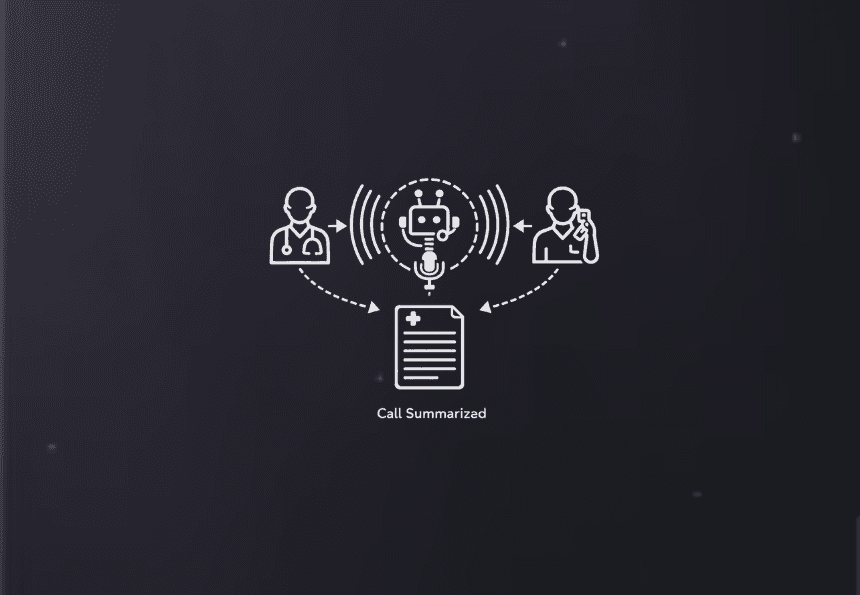
Healthcare support teams handle calls about appointments, prescription refills, billing, and patient questions every day. Important details often get buried in long conversations. Manual note-taking slows staff down and increases the chance of missing useful information after each call.
AI voice agents for call summarization help healthcare teams turn spoken conversations into short, structured summaries. These systems identify the reason for the call, capture key details, and organize the next steps clearly. Staff get usable information without spending extra time writing notes.
Clear summaries help teams respond faster, route issues correctly, and keep patient communication organized. Better visibility across every interaction improves follow-up accuracy and helps healthcare operations run with less friction.
How Do AI Voice Agents Use Call Summarization in Healthcare Support?
Handling healthcare support calls requires capturing accurate details and turning conversations into clear next steps. AI voice agents focus on summarizing each interaction in real time, removing the need for manual notes and helping teams act quickly without missing important patient information.
Here are the core ways they use call summarization:
Real Time Conversation Capture: AI voice agents listen to patient calls and record key details such as symptoms, appointment needs, or billing questions directly from spoken input.
Intent and Detail Extraction: Systems identify the purpose of each call and pull out important data like patient identifiers, request type, and urgency level.
Structured Summary Creation: AI organizes conversations into short, readable summaries that highlight actions taken, outcomes, and required follow-ups.
System Integration and Updates: Summaries sync with healthcare systems, allowing teams to update records, assign tasks, and track patient history without delay.
How Does Call Summarization Improve Healthcare Support Workflows?
Handling healthcare support workflows requires quick access to accurate patient information after every call. AI-driven summarization reduces manual documentation time and helps teams manage high call volumes efficiently. Clear summaries allow staff to focus on actions instead of reviewing long conversations or writing notes repeatedly.
Here are the core ways it improves workflows:
Faster Post Call Documentation: Generates accurate summaries immediately after each patient support interaction.
Better Task Routing: Identifies next steps and sends requests to the correct teams.
Reduced Manual Workload: Cuts repetitive note-taking across busy healthcare support operations.
Improved Team Coordination: Shares clear call updates across scheduling, billing, and support teams.
What Call Summarization Capabilities Do AI Voice Agents Offer in Healthcare?
Patients often repeat the same information across multiple calls, which creates frustration and delays. Long wait times and unclear responses make it harder to get quick help. AI Voice Agents for Call Summarization address these issues by capturing accurate details and reducing repeated conversations across healthcare support systems.
Real-time capture of patient conversations
Patients often explain symptoms or make requests multiple times during calls. Staff may miss details while handling multiple tasks at once. Conversations move quickly, and important information gets lost. Lack of real-time capture forces patients to repeat themselves, which increases frustration and delays proper support or next steps.
Here are the core issues they face:
Missed Key Details: Important patient information gets lost when staff handle multiple tasks during calls.
Repeated Explanations: Patients must repeat symptoms or requests several times during the same interaction.
Delayed Responses: Lack of captured details slows support teams from taking immediate and accurate action.
Frustrating Experiences: Incomplete conversations create confusion and reduce trust in healthcare communication systems.
Accurate transcription of medical and service requests
Patients describe medical concerns in different ways, which creates confusion during calls. Staff may misunderstand symptoms or service needs without accurate records. Missing or incorrect transcription leads to wrong actions or follow-ups. Patients face delays when teams cannot clearly understand what they requested during conversations.
Here are the core issues they face:
Misunderstood Symptoms: Staff may misinterpret patient descriptions without an accurate transcription of spoken conversations.
Incorrect Service Handling: Errors in recording requests lead to wrong actions taken by healthcare support teams.
Repeated Clarifications: Patients must explain their medical concerns again due to missing or unclear call records.
Delayed Resolutions: Inaccurate transcripts slow proper handling of appointments, billing, or prescription requests.
Context-aware extraction of key patient details
Patients expect healthcare teams to understand their situation without repeating the full history each time. Lack of context forces patients to explain details again during every interaction. Important information, like urgency or prior issues, gets ignored. This creates delays and makes support feel disconnected across different departments and calls.
Here are the core issues they face:
Lack of Context: Patient history and urgency often get ignored during disconnected healthcare support conversations.
Repeated Interactions: Patients must provide the same background information during each new support call interaction.
Missed Urgency Signals: Critical cases may not get priority due to missing contextual understanding during conversations.
Disconnected Support: Different teams fail to coordinate due to an incomplete understanding of patient needs.
Structured summary generation for each interaction
Patients experience confusion when support teams provide inconsistent responses after calls. Lack of clear summaries causes missed follow-ups and repeated communication. Patients may not know what actions were taken or what comes next. Poor organization of call details creates gaps that affect patient experience and trust.
Here are the core issues they face:
Unclear Next Steps: Patients do not know what actions were taken after support calls end.
Missed Follow Ups: Lack of summaries causes delays in scheduling or responding to patient needs.
Inconsistent Communication: Different responses from teams create confusion across multiple patient interactions daily.
Lost Information: Key outcomes from calls are forgotten without structured and accessible summaries being created.
Seamless integration with healthcare systems
Patients face delays when their information does not update across healthcare systems. Staff may ask for the same details again due to disconnected records. Lack of integration causes repeated verification steps and longer processing times. Patients expect smooth coordination, but fragmented systems create slow and frustrating support experiences.
Here are the core issues they face:
Repeated Data Requests: Patients must provide the same details due to disconnected healthcare system records.
Slow Processing Times: Lack of integration delays updates across scheduling, billing, and support teams.
Fragmented Communication: Departments work in isolation without access to unified patient interaction data.
Increased Frustration: Patients face longer resolution times due to poor coordination between healthcare systems.
Actionable insights for follow-ups and care coordination
Patients often wait longer for follow-ups because teams do not have clear next steps. Missing insights from previous calls cause delays in appointments or responses. Lack of coordination between teams forces patients to make additional calls. Poor follow-up handling reduces confidence in healthcare support services.
Here are the core issues they face:
Missed Follow Ups: Patients do not receive timely responses due to unclear next actions after calls.
Delayed Care Coordination: Lack of insights slows communication between departments handling patient cases.
Multiple Call Attempts: Patients must contact support again to check the status of their requests.
Reduced Confidence: Poor follow-up handling lowers trust in healthcare support services and systems.
What Are the Benefits of Voice AI Call Summarization in Healthcare?
Managing healthcare support calls requires speed, accuracy, and clear communication across teams. AI voice agents focus on summarizing every patient interaction into structured insights, reducing manual work and improving response time. These systems help teams stay consistent, organized, and efficient while handling high volumes of patient calls daily.
Here are the core benefits they provide:
Faster Documentation Turnaround: AI voice agents generate summaries instantly after each patient call interaction ends.
Improved Accuracy in Records: Systems capture key patient details without missing important information during calls.
Better Coordination Across Teams: Summaries help departments align actions and manage patient requests efficiently together.
Reduced Workload For Staff: Automation removes manual note-taking, allowing teams to focus on patient care.
Frequently Asked Question
How do AI voice agents summarize healthcare calls in real time?
AI voice agents process conversations as they happen and extract key details such as patient intent, requests, and actions. Systems generate structured summaries instantly after each call. AI Voice Agents for Call Summarization help teams act faster without reviewing full conversations or writing manual notes.
What details are included in healthcare call summaries?
Summaries include reason for call, patient identifiers, actions taken, and next steps. Systems remove unnecessary conversation parts and focus only on useful information. Structured outputs help teams understand each interaction quickly and ensure accurate follow-ups without missing important patient details.
How do AI summaries improve accuracy in healthcare support calls?
AI systems capture exact details from conversations and reduce human errors in note-taking. Summaries focus on relevant information without missing key points. Accurate documentation helps teams avoid miscommunication and ensures each patient request gets handled correctly across different healthcare support functions.
How do AI voice agents connect summaries with healthcare systems?
AI voice agents send summaries directly to scheduling tools, CRMs, or patient record systems. Teams access updated information without manual entry. Integration ensures consistent records across departments and helps healthcare providers manage patient interactions efficiently using real-time, summarized call data.
Improve Healthcare Support Efficiency with Voice AI Call Summarization
AI voice agents help healthcare teams manage patient calls with more speed and accuracy. By turning conversations into clear summaries, they reduce manual note-taking, shorten response time, and help staff handle support requests without missing important patient details.
Brilo AI supports healthcare call summarization with real-time call handling, structured summaries, and connected workflows. Faster access to key call information improves follow-ups, supports better coordination, and helps teams manage patient communication with more consistency across daily support operations.
Ready to improve healthcare support with better call summarization? Book a call today to see how Brilo AI can help your team handle patient conversations with more clarity, efficiency, and control.
All Insights
Articles
How Do AI Voice Agents Use Call Summarization in Healthcare Support?
Explore how Brilo AI voice agents use call summarization to improve healthcare support, reduce delays, and help teams manage patient calls more accurately.
Healthcare support teams handle calls about appointments, prescription refills, billing, and patient questions every day. Important details often get buried in long conversations. Manual note-taking slows staff down and increases the chance of missing useful information after each call.
AI voice agents for call summarization help healthcare teams turn spoken conversations into short, structured summaries. These systems identify the reason for the call, capture key details, and organize the next steps clearly. Staff get usable information without spending extra time writing notes.
Clear summaries help teams respond faster, route issues correctly, and keep patient communication organized. Better visibility across every interaction improves follow-up accuracy and helps healthcare operations run with less friction.
How Do AI Voice Agents Use Call Summarization in Healthcare Support?
Handling healthcare support calls requires capturing accurate details and turning conversations into clear next steps. AI voice agents focus on summarizing each interaction in real time, removing the need for manual notes and helping teams act quickly without missing important patient information.
Here are the core ways they use call summarization:
Real Time Conversation Capture: AI voice agents listen to patient calls and record key details such as symptoms, appointment needs, or billing questions directly from spoken input.
Intent and Detail Extraction: Systems identify the purpose of each call and pull out important data like patient identifiers, request type, and urgency level.
Structured Summary Creation: AI organizes conversations into short, readable summaries that highlight actions taken, outcomes, and required follow-ups.
System Integration and Updates: Summaries sync with healthcare systems, allowing teams to update records, assign tasks, and track patient history without delay.
How Does Call Summarization Improve Healthcare Support Workflows?
Handling healthcare support workflows requires quick access to accurate patient information after every call. AI-driven summarization reduces manual documentation time and helps teams manage high call volumes efficiently. Clear summaries allow staff to focus on actions instead of reviewing long conversations or writing notes repeatedly.
Here are the core ways it improves workflows:
Faster Post Call Documentation: Generates accurate summaries immediately after each patient support interaction.
Better Task Routing: Identifies next steps and sends requests to the correct teams.
Reduced Manual Workload: Cuts repetitive note-taking across busy healthcare support operations.
Improved Team Coordination: Shares clear call updates across scheduling, billing, and support teams.
What Call Summarization Capabilities Do AI Voice Agents Offer in Healthcare?
Patients often repeat the same information across multiple calls, which creates frustration and delays. Long wait times and unclear responses make it harder to get quick help. AI Voice Agents for Call Summarization address these issues by capturing accurate details and reducing repeated conversations across healthcare support systems.
Real-time capture of patient conversations
Patients often explain symptoms or make requests multiple times during calls. Staff may miss details while handling multiple tasks at once. Conversations move quickly, and important information gets lost. Lack of real-time capture forces patients to repeat themselves, which increases frustration and delays proper support or next steps.
Here are the core issues they face:
Missed Key Details: Important patient information gets lost when staff handle multiple tasks during calls.
Repeated Explanations: Patients must repeat symptoms or requests several times during the same interaction.
Delayed Responses: Lack of captured details slows support teams from taking immediate and accurate action.
Frustrating Experiences: Incomplete conversations create confusion and reduce trust in healthcare communication systems.
Accurate transcription of medical and service requests
Patients describe medical concerns in different ways, which creates confusion during calls. Staff may misunderstand symptoms or service needs without accurate records. Missing or incorrect transcription leads to wrong actions or follow-ups. Patients face delays when teams cannot clearly understand what they requested during conversations.
Here are the core issues they face:
Misunderstood Symptoms: Staff may misinterpret patient descriptions without an accurate transcription of spoken conversations.
Incorrect Service Handling: Errors in recording requests lead to wrong actions taken by healthcare support teams.
Repeated Clarifications: Patients must explain their medical concerns again due to missing or unclear call records.
Delayed Resolutions: Inaccurate transcripts slow proper handling of appointments, billing, or prescription requests.
Context-aware extraction of key patient details
Patients expect healthcare teams to understand their situation without repeating the full history each time. Lack of context forces patients to explain details again during every interaction. Important information, like urgency or prior issues, gets ignored. This creates delays and makes support feel disconnected across different departments and calls.
Here are the core issues they face:
Lack of Context: Patient history and urgency often get ignored during disconnected healthcare support conversations.
Repeated Interactions: Patients must provide the same background information during each new support call interaction.
Missed Urgency Signals: Critical cases may not get priority due to missing contextual understanding during conversations.
Disconnected Support: Different teams fail to coordinate due to an incomplete understanding of patient needs.
Structured summary generation for each interaction
Patients experience confusion when support teams provide inconsistent responses after calls. Lack of clear summaries causes missed follow-ups and repeated communication. Patients may not know what actions were taken or what comes next. Poor organization of call details creates gaps that affect patient experience and trust.
Here are the core issues they face:
Unclear Next Steps: Patients do not know what actions were taken after support calls end.
Missed Follow Ups: Lack of summaries causes delays in scheduling or responding to patient needs.
Inconsistent Communication: Different responses from teams create confusion across multiple patient interactions daily.
Lost Information: Key outcomes from calls are forgotten without structured and accessible summaries being created.
Seamless integration with healthcare systems
Patients face delays when their information does not update across healthcare systems. Staff may ask for the same details again due to disconnected records. Lack of integration causes repeated verification steps and longer processing times. Patients expect smooth coordination, but fragmented systems create slow and frustrating support experiences.
Here are the core issues they face:
Repeated Data Requests: Patients must provide the same details due to disconnected healthcare system records.
Slow Processing Times: Lack of integration delays updates across scheduling, billing, and support teams.
Fragmented Communication: Departments work in isolation without access to unified patient interaction data.
Increased Frustration: Patients face longer resolution times due to poor coordination between healthcare systems.
Actionable insights for follow-ups and care coordination
Patients often wait longer for follow-ups because teams do not have clear next steps. Missing insights from previous calls cause delays in appointments or responses. Lack of coordination between teams forces patients to make additional calls. Poor follow-up handling reduces confidence in healthcare support services.
Here are the core issues they face:
Missed Follow Ups: Patients do not receive timely responses due to unclear next actions after calls.
Delayed Care Coordination: Lack of insights slows communication between departments handling patient cases.
Multiple Call Attempts: Patients must contact support again to check the status of their requests.
Reduced Confidence: Poor follow-up handling lowers trust in healthcare support services and systems.
What Are the Benefits of Voice AI Call Summarization in Healthcare?
Managing healthcare support calls requires speed, accuracy, and clear communication across teams. AI voice agents focus on summarizing every patient interaction into structured insights, reducing manual work and improving response time. These systems help teams stay consistent, organized, and efficient while handling high volumes of patient calls daily.
Here are the core benefits they provide:
Faster Documentation Turnaround: AI voice agents generate summaries instantly after each patient call interaction ends.
Improved Accuracy in Records: Systems capture key patient details without missing important information during calls.
Better Coordination Across Teams: Summaries help departments align actions and manage patient requests efficiently together.
Reduced Workload For Staff: Automation removes manual note-taking, allowing teams to focus on patient care.
Frequently Asked Question
How do AI voice agents summarize healthcare calls in real time?
AI voice agents process conversations as they happen and extract key details such as patient intent, requests, and actions. Systems generate structured summaries instantly after each call. AI Voice Agents for Call Summarization help teams act faster without reviewing full conversations or writing manual notes.
What details are included in healthcare call summaries?
Summaries include reason for call, patient identifiers, actions taken, and next steps. Systems remove unnecessary conversation parts and focus only on useful information. Structured outputs help teams understand each interaction quickly and ensure accurate follow-ups without missing important patient details.
How do AI summaries improve accuracy in healthcare support calls?
AI systems capture exact details from conversations and reduce human errors in note-taking. Summaries focus on relevant information without missing key points. Accurate documentation helps teams avoid miscommunication and ensures each patient request gets handled correctly across different healthcare support functions.
How do AI voice agents connect summaries with healthcare systems?
AI voice agents send summaries directly to scheduling tools, CRMs, or patient record systems. Teams access updated information without manual entry. Integration ensures consistent records across departments and helps healthcare providers manage patient interactions efficiently using real-time, summarized call data.
Improve Healthcare Support Efficiency with Voice AI Call Summarization
AI voice agents help healthcare teams manage patient calls with more speed and accuracy. By turning conversations into clear summaries, they reduce manual note-taking, shorten response time, and help staff handle support requests without missing important patient details.
Brilo AI supports healthcare call summarization with real-time call handling, structured summaries, and connected workflows. Faster access to key call information improves follow-ups, supports better coordination, and helps teams manage patient communication with more consistency across daily support operations.
Ready to improve healthcare support with better call summarization? Book a call today to see how Brilo AI can help your team handle patient conversations with more clarity, efficiency, and control.
Latest Insights
All Resources
Articles
Case Studies
Tutorials

Articles
5 Best AI Voice Agents for Optometry and Eye Care Clinics (2026)
Compare the 5 best AI voice agents for optometry and eye care clinics in 2026. See top voice AI tools that book eye exams and answer calls 24/7.

Articles
5 Best AI Receptionists for Bariatric and Weight Loss Clinics (2026)
Compare the 5 best AI receptionists for weight loss clinics. Explore HIPAA compliance, scheduling, EHR integration, GLP-1 support, and key features.
Load More
Latest Insights
All Resources
Articles
Case Studies
Tutorials
Articles
5 Best AI Voice Agents for Optometry and Eye Care Clinics (2026)
Compare the 5 best AI voice agents for optometry and eye care clinics in 2026. See top voice AI tools that book eye exams and answer calls 24/7.
Articles
5 Best AI Receptionists for Bariatric and Weight Loss Clinics (2026)
Compare the 5 best AI receptionists for weight loss clinics. Explore HIPAA compliance, scheduling, EHR integration, GLP-1 support, and key features.
Load More

Automate your business with AI phone Agents
Automate your business with AI phone Agents
Automate your business with AI phone Agents
Automate your business with AI phone Agents
Call automation for healthcare, real estate, logistics, financial services & small businesses.
Call automation for healthcare, real estate, logistics, financial services & small businesses.

Join Discord
Connect with our community, ask questions, and stay updated on product news.

Book a Call
Schedule a quick call with our team to explore solutions for your needs.
Get started
Industries
Usecases
Integrations
Legal & Community
Join Discord
Connect with our community, ask questions, and stay updated on product news.
Book a Call
Schedule a quick call with our team to explore solutions for your needs.
Get started
Industries
Usecases
Integrations
Legal & Community
Join Discord
Connect with our community, ask questions, and stay updated on product news.
Book a Call
Schedule a quick call with our team to explore solutions for your needs.
Get started
Industries
Usecases
Integrations
Legal & Community
Join Discord
Connect with our community, ask questions, and stay updated on product news.
Book a Call
Schedule a quick call with our team to explore solutions for your needs.
Get started
Industries
Usecases
Integrations
Legal & Community