
All Insights
Articles
How Do AI Voice Agent Handle Multiple Patient Calls Simultaneously in Clinics?
Explore how Brilo AI Voice Agent Handle Multiple Patient Calls to cut wait times, prevent missed appointments, and streamline patient communication.





Healthcare clinics receive constant calls for appointments, test results, billing questions, and urgent updates. Peak hours often create long queues that frustrate patients and overload front desk teams. Many providers now seek reliable systems that manage heavy call traffic without delays or errors.
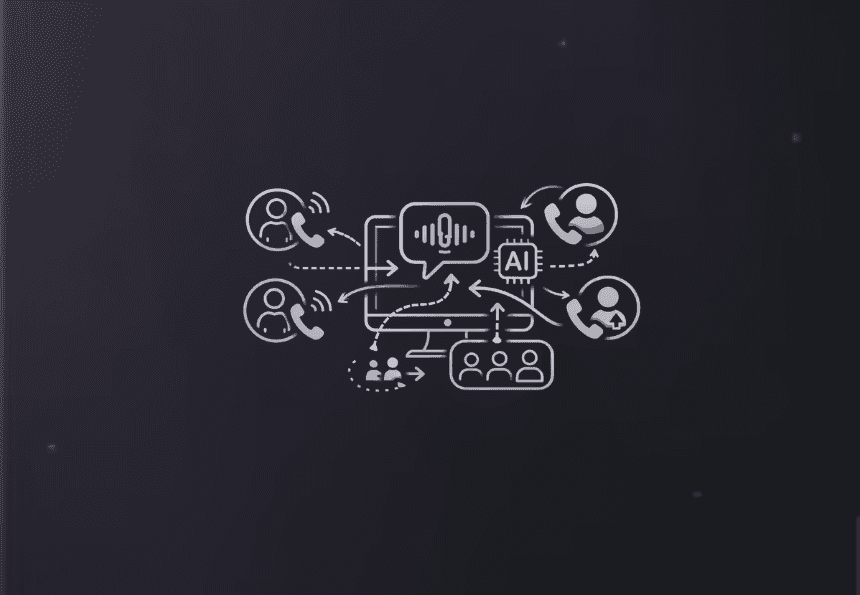
How do AI voice agents handle multiple patient calls when dozens of patients contact a clinic at once? Modern healthcare voice systems process conversations in parallel using real-time speech recognition and intent detection. Each caller receives an immediate response instead of waiting in a queue.
Advanced automation connects directly with scheduling and patient record systems. Voice platform logs conversations instantly and updates records without manual entry. Clinics improve response speed, reduce missed appointments, and maintain steady communication even during high demand.
How Do AI Voice Agent Handle Multiple Patient Calls Simultaneously in Healthcare?
Healthcare providers often receive overlapping calls during peak hours, which creates delays and missed opportunities. Advanced voice automation solves this by processing conversations in parallel rather than sequentially. Cloud infrastructure distributes incoming calls across independent sessions, ensuring each patient receives immediate attention without competing for limited front desk resources.
Instant Call Pickup Without Waiting Queues
Patients feel frustrated when they wait on hold for long periods, especially during urgent health concerns. Many hang up after sixty seconds of silence. Missed calls delay treatment, prescription refills, and appointment bookings. Repeated dialing wastes time and increases anxiety for elderly patients and working professionals.
High call traffic creates serious patient frustration. They handle:
Extended Hold Times: Patients remain stuck on hold without clear updates or progress information.
Call Abandonment Risk: Many callers disconnect after sixty seconds of unanswered silence.
Repeated Dialing Attempts: Patients must call several times just to reach clinic staff.
Delayed Urgent Inquiries: Critical health concerns wait behind long and unclear phone queues.
Parallel Call Processing Across Unlimited Conversations
Busy clinics often receive dozens of calls at once, but limited staff can only answer one at a time. Callers hear busy tones or automated hold music. Parents with sick children and seniors needing guidance experience stress when they cannot reach someone quickly for reassurance.
Simultaneous calls overwhelm the limited reception capacity. They handle:
Busy Signal Congestion: Callers frequently hear engaged tones during peak healthcare demand hours.
Overloaded Phone Systems: Traditional lines fail when dozens of patients call at once.
Missed Incoming Requests: Important refill or booking inquiries remain unanswered for extended periods.
Front Desk Overload: Staff struggles to manage multiple conversations happening at the same time.
Real-Time Speech Recognition and Intent Detection
Patients repeat their concerns multiple times when systems fail to understand them. Accents, background noise, or medical terminology create confusion. Misunderstood requests lead to wrong bookings or incomplete information. Communication gaps frustrate callers who expect clear answers about appointments, insurance coverage, or treatment instructions.
Miscommunication slows patient support during calls. They handle:
Unclear Patient Requests: Systems fail to understand accents or complex medical terminology accurately.
Incorrect Appointment Bookings: Misheard information leads to wrong scheduling entries in calendars.
Repetitive Clarification Cycles: Callers repeat personal details multiple times during conversations.
Inaccurate Intent Recognition: Calls are routed incorrectly due to misunderstood patient intent.
Automated Appointment Scheduling and Calendar Sync
Manual scheduling errors create double bookings or incorrect dates. Patients arrive for appointments that do not exist or receive reminders for canceled visits. Rescheduling requires multiple calls, which wastes time. Working individuals struggle to coordinate healthcare visits around fixed job hours and family responsibilities.
Manual processes create scheduling errors daily. They handle:
Double Booking Conflicts: Two patients receive identical time slots without proper verification checks.
Incorrect Date Confirmations: Rushed confirmations result in patients arriving on incorrect days.
Rescheduling Delays: Patients call repeatedly to adjust appointments during busy clinic hours.
Missed Reminder Notifications: Patients forget visits due to inconsistent follow-up communication systems.
Secure Integration With Healthcare Systems
Patients worry about privacy when sharing medical information over the phone. Inconsistent record updates create billing mistakes or lost test results. Sensitive details sometimes require repeated verification. Lack of secure coordination between systems increases mistrust and slows follow-up communication after consultations.
Data gaps reduce patient confidence significantly. They handle:
Lost Patient Records: Information fails to sync across disconnected healthcare management platforms.
Billing Inconsistency Issues: Errors appear when systems lack coordinated record updates.
Privacy Exposure Concerns: Callers fear sharing sensitive medical details over unsecured communication channels.
Repeated Identity Verification: Patients confirm personal information multiple times during single interactions.
Intelligent Call Routing to Human Staff When Needed
Callers with urgent symptoms fear being stuck in endless menus. Emotional situations require empathy, yet rigid phone systems feel impersonal. Incorrect transfers force patients to repeat their medical history multiple times. Delays during emergencies increase anxiety and reduce confidence in the clinic’s responsiveness.
Urgent medical concerns require human intervention. They handle:
Incorrect Department Transfers: Patients bounce between teams without receiving a clear resolution quickly.
Escalation Delays: Critical symptoms wait too long before reaching qualified medical staff.
Emotionally Sensitive Situations: Automated menus struggle to support distressed or anxious callers properly.
Context Repetition Burden: Patients repeat medical histories after every transfer to new representatives.
Why Is Multiple Patient Call Handling Important for Healthcare Providers?
Healthcare providers face unpredictable spikes in incoming calls, especially during peak clinic hours and seasonal outbreaks. Delays in answering patient calls can directly impact access to care, scheduling accuracy, and operational stability. Managing multiple calls at once protects both patient experience and clinic performance.
Here are the core reasons it matters:
Reduced Call Abandonment: Patients often disconnect after waiting too long, resulting in missed appointments and lost consultation opportunities.
Improved Appointment Capture: Immediate call handling increases confirmed bookings and prevents scheduling requests from going unanswered.
Lower Staff Burnout: Front desk teams experience less pressure when overlapping calls do not accumulate.
Stronger Patient Trust: Quick responses demonstrate reliability and reinforce confidence in the provider’s accessibility.
What Technology Enables AI Voice Agent to Manage High Patient Call Volumes?
Managing high patient call volumes requires scalable infrastructure and intelligent automation. Healthcare providers rely on systems that support concurrent conversations without delays or downtime. Advanced voice platforms combine distributed architecture and real-time processing to maintain consistent performance during demand spikes.
Here are the core technologies that enable it:
Cloud-Based Scalable Infrastructure: Expands server capacity instantly during peak patient call periods.
Programmable Telephony APIs: Routes incoming calls dynamically across multiple processing channels.
Speech Recognition And Intent Detection: Converts spoken input into structured, actionable workflow data.
Load Balancing Systems: Distributes call traffic evenly to prevent performance bottlenecks.
How Do AI Voice Agent Maintain Accuracy Across Multiple Live Conversations?
Maintaining accuracy during simultaneous patient conversations requires structured processing, real-time validation, and continuous monitoring. Healthcare providers rely on systems that prevent data mix-ups, incorrect bookings, and routing errors. Intelligent voice platforms apply layered verification and context tracking to preserve precision across every live session.
Here are the core mechanisms that maintain accuracy:
Session Isolation Controls: Each call runs independently to prevent cross-conversation data overlap.
Real-Time Intent Validation: Systems confirm patient requests before executing scheduling or record updates.
Structured Data Capture Workflows: Voice inputs convert into standardized formats for consistent documentation.
Confidence Scoring Safeguards: Low-certainty responses trigger clarification prompts to reduce errors.
Frequently Asked Question
How can an AI voice agent answer multiple patient calls at the same time?
Cloud-based infrastructure assigns each caller to a separate processing session instead of placing them in a shared queue. Parallel architecture allows independent conversations to run simultaneously. Distributed computing resources expand automatically during peak hours, ensuring every patient receives immediate attention without delay.
How do AI voice agent handle sudden patient call spikes?
Elastic cloud infrastructure expands processing capacity instantly when call volume increases. Load balancing distributes traffic across multiple servers to prevent congestion. Parallel session management ensures each patient connects immediately, even during seasonal surges or post-clinic peak demand periods.
How do AI voice assistant stay accurate during high call volumes?
Real-time speech recognition converts spoken input into structured data instantly. Intent validation engines confirm requests before executing scheduling or record updates. Confidence scoring triggers clarification prompts when uncertainty appears, which protects accuracy even during heavy patient call traffic.
Can AI voice agent update appointment systems during simultaneous calls?
Integrated scheduling APIs connect directly with healthcare calendar systems. Availability checks occur before confirming bookings, preventing double appointments. Real-time synchronization updates records instantly, allowing multiple patients to book or reschedule at the same time without manual intervention.
Handle Multiple Patient Calls Smoothly With Brilo AI Voice Agent
AI voice agents provide a reliable solution for managing multiple patient calls at the same time while maintaining speed and accuracy. By automating high-volume healthcare conversations, clinics reduce missed calls, shorten wait times, and ensure patients receive immediate support without overwhelming front desk teams.
Brilo AI offers a scalable voice automation platform built to handle concurrent patient interactions efficiently. With parallel call processing, real-time scheduling integration, and secure system connectivity, it enables healthcare providers to manage rising call volumes without expanding staff or infrastructure.
Ready to handle every patient call without delays? Book a call today to see how Brilo AI can strengthen your patient communication operations.
All Insights
Articles
How Do AI Voice Agent Handle Multiple Patient Calls Simultaneously in Clinics?
Explore how Brilo AI Voice Agent Handle Multiple Patient Calls to cut wait times, prevent missed appointments, and streamline patient communication.
Healthcare clinics receive constant calls for appointments, test results, billing questions, and urgent updates. Peak hours often create long queues that frustrate patients and overload front desk teams. Many providers now seek reliable systems that manage heavy call traffic without delays or errors.
How do AI voice agents handle multiple patient calls when dozens of patients contact a clinic at once? Modern healthcare voice systems process conversations in parallel using real-time speech recognition and intent detection. Each caller receives an immediate response instead of waiting in a queue.
Advanced automation connects directly with scheduling and patient record systems. Voice platform logs conversations instantly and updates records without manual entry. Clinics improve response speed, reduce missed appointments, and maintain steady communication even during high demand.
How Do AI Voice Agent Handle Multiple Patient Calls Simultaneously in Healthcare?
Healthcare providers often receive overlapping calls during peak hours, which creates delays and missed opportunities. Advanced voice automation solves this by processing conversations in parallel rather than sequentially. Cloud infrastructure distributes incoming calls across independent sessions, ensuring each patient receives immediate attention without competing for limited front desk resources.
Instant Call Pickup Without Waiting Queues
Patients feel frustrated when they wait on hold for long periods, especially during urgent health concerns. Many hang up after sixty seconds of silence. Missed calls delay treatment, prescription refills, and appointment bookings. Repeated dialing wastes time and increases anxiety for elderly patients and working professionals.
High call traffic creates serious patient frustration. They handle:
Extended Hold Times: Patients remain stuck on hold without clear updates or progress information.
Call Abandonment Risk: Many callers disconnect after sixty seconds of unanswered silence.
Repeated Dialing Attempts: Patients must call several times just to reach clinic staff.
Delayed Urgent Inquiries: Critical health concerns wait behind long and unclear phone queues.
Parallel Call Processing Across Unlimited Conversations
Busy clinics often receive dozens of calls at once, but limited staff can only answer one at a time. Callers hear busy tones or automated hold music. Parents with sick children and seniors needing guidance experience stress when they cannot reach someone quickly for reassurance.
Simultaneous calls overwhelm the limited reception capacity. They handle:
Busy Signal Congestion: Callers frequently hear engaged tones during peak healthcare demand hours.
Overloaded Phone Systems: Traditional lines fail when dozens of patients call at once.
Missed Incoming Requests: Important refill or booking inquiries remain unanswered for extended periods.
Front Desk Overload: Staff struggles to manage multiple conversations happening at the same time.
Real-Time Speech Recognition and Intent Detection
Patients repeat their concerns multiple times when systems fail to understand them. Accents, background noise, or medical terminology create confusion. Misunderstood requests lead to wrong bookings or incomplete information. Communication gaps frustrate callers who expect clear answers about appointments, insurance coverage, or treatment instructions.
Miscommunication slows patient support during calls. They handle:
Unclear Patient Requests: Systems fail to understand accents or complex medical terminology accurately.
Incorrect Appointment Bookings: Misheard information leads to wrong scheduling entries in calendars.
Repetitive Clarification Cycles: Callers repeat personal details multiple times during conversations.
Inaccurate Intent Recognition: Calls are routed incorrectly due to misunderstood patient intent.
Automated Appointment Scheduling and Calendar Sync
Manual scheduling errors create double bookings or incorrect dates. Patients arrive for appointments that do not exist or receive reminders for canceled visits. Rescheduling requires multiple calls, which wastes time. Working individuals struggle to coordinate healthcare visits around fixed job hours and family responsibilities.
Manual processes create scheduling errors daily. They handle:
Double Booking Conflicts: Two patients receive identical time slots without proper verification checks.
Incorrect Date Confirmations: Rushed confirmations result in patients arriving on incorrect days.
Rescheduling Delays: Patients call repeatedly to adjust appointments during busy clinic hours.
Missed Reminder Notifications: Patients forget visits due to inconsistent follow-up communication systems.
Secure Integration With Healthcare Systems
Patients worry about privacy when sharing medical information over the phone. Inconsistent record updates create billing mistakes or lost test results. Sensitive details sometimes require repeated verification. Lack of secure coordination between systems increases mistrust and slows follow-up communication after consultations.
Data gaps reduce patient confidence significantly. They handle:
Lost Patient Records: Information fails to sync across disconnected healthcare management platforms.
Billing Inconsistency Issues: Errors appear when systems lack coordinated record updates.
Privacy Exposure Concerns: Callers fear sharing sensitive medical details over unsecured communication channels.
Repeated Identity Verification: Patients confirm personal information multiple times during single interactions.
Intelligent Call Routing to Human Staff When Needed
Callers with urgent symptoms fear being stuck in endless menus. Emotional situations require empathy, yet rigid phone systems feel impersonal. Incorrect transfers force patients to repeat their medical history multiple times. Delays during emergencies increase anxiety and reduce confidence in the clinic’s responsiveness.
Urgent medical concerns require human intervention. They handle:
Incorrect Department Transfers: Patients bounce between teams without receiving a clear resolution quickly.
Escalation Delays: Critical symptoms wait too long before reaching qualified medical staff.
Emotionally Sensitive Situations: Automated menus struggle to support distressed or anxious callers properly.
Context Repetition Burden: Patients repeat medical histories after every transfer to new representatives.
Why Is Multiple Patient Call Handling Important for Healthcare Providers?
Healthcare providers face unpredictable spikes in incoming calls, especially during peak clinic hours and seasonal outbreaks. Delays in answering patient calls can directly impact access to care, scheduling accuracy, and operational stability. Managing multiple calls at once protects both patient experience and clinic performance.
Here are the core reasons it matters:
Reduced Call Abandonment: Patients often disconnect after waiting too long, resulting in missed appointments and lost consultation opportunities.
Improved Appointment Capture: Immediate call handling increases confirmed bookings and prevents scheduling requests from going unanswered.
Lower Staff Burnout: Front desk teams experience less pressure when overlapping calls do not accumulate.
Stronger Patient Trust: Quick responses demonstrate reliability and reinforce confidence in the provider’s accessibility.
What Technology Enables AI Voice Agent to Manage High Patient Call Volumes?
Managing high patient call volumes requires scalable infrastructure and intelligent automation. Healthcare providers rely on systems that support concurrent conversations without delays or downtime. Advanced voice platforms combine distributed architecture and real-time processing to maintain consistent performance during demand spikes.
Here are the core technologies that enable it:
Cloud-Based Scalable Infrastructure: Expands server capacity instantly during peak patient call periods.
Programmable Telephony APIs: Routes incoming calls dynamically across multiple processing channels.
Speech Recognition And Intent Detection: Converts spoken input into structured, actionable workflow data.
Load Balancing Systems: Distributes call traffic evenly to prevent performance bottlenecks.
How Do AI Voice Agent Maintain Accuracy Across Multiple Live Conversations?
Maintaining accuracy during simultaneous patient conversations requires structured processing, real-time validation, and continuous monitoring. Healthcare providers rely on systems that prevent data mix-ups, incorrect bookings, and routing errors. Intelligent voice platforms apply layered verification and context tracking to preserve precision across every live session.
Here are the core mechanisms that maintain accuracy:
Session Isolation Controls: Each call runs independently to prevent cross-conversation data overlap.
Real-Time Intent Validation: Systems confirm patient requests before executing scheduling or record updates.
Structured Data Capture Workflows: Voice inputs convert into standardized formats for consistent documentation.
Confidence Scoring Safeguards: Low-certainty responses trigger clarification prompts to reduce errors.
Frequently Asked Question
How can an AI voice agent answer multiple patient calls at the same time?
Cloud-based infrastructure assigns each caller to a separate processing session instead of placing them in a shared queue. Parallel architecture allows independent conversations to run simultaneously. Distributed computing resources expand automatically during peak hours, ensuring every patient receives immediate attention without delay.
How do AI voice agent handle sudden patient call spikes?
Elastic cloud infrastructure expands processing capacity instantly when call volume increases. Load balancing distributes traffic across multiple servers to prevent congestion. Parallel session management ensures each patient connects immediately, even during seasonal surges or post-clinic peak demand periods.
How do AI voice assistant stay accurate during high call volumes?
Real-time speech recognition converts spoken input into structured data instantly. Intent validation engines confirm requests before executing scheduling or record updates. Confidence scoring triggers clarification prompts when uncertainty appears, which protects accuracy even during heavy patient call traffic.
Can AI voice agent update appointment systems during simultaneous calls?
Integrated scheduling APIs connect directly with healthcare calendar systems. Availability checks occur before confirming bookings, preventing double appointments. Real-time synchronization updates records instantly, allowing multiple patients to book or reschedule at the same time without manual intervention.
Handle Multiple Patient Calls Smoothly With Brilo AI Voice Agent
AI voice agents provide a reliable solution for managing multiple patient calls at the same time while maintaining speed and accuracy. By automating high-volume healthcare conversations, clinics reduce missed calls, shorten wait times, and ensure patients receive immediate support without overwhelming front desk teams.
Brilo AI offers a scalable voice automation platform built to handle concurrent patient interactions efficiently. With parallel call processing, real-time scheduling integration, and secure system connectivity, it enables healthcare providers to manage rising call volumes without expanding staff or infrastructure.
Ready to handle every patient call without delays? Book a call today to see how Brilo AI can strengthen your patient communication operations.
Latest Insights
All Resources
Articles
Case Studies
Tutorials

Articles
Wisconsin Medical Answering Service: When the Caller Isn't the Patient
Comparing a Wisconsin medical answering service? Test it on calls from family and caregivers: HIPAA, Wis. Stat. 146.82, health care agents and what to say.

Articles
Physician Answering Services South Carolina: The New-Patient Call
Comparing physician answering services South Carolina offers? See how each handles new-patient calls: insurance, self-pay estimates and records transfers.
Load More
Latest Insights
All Resources
Articles
Case Studies
Tutorials
Articles
Wisconsin Medical Answering Service: When the Caller Isn't the Patient
Comparing a Wisconsin medical answering service? Test it on calls from family and caregivers: HIPAA, Wis. Stat. 146.82, health care agents and what to say.
Articles
Physician Answering Services South Carolina: The New-Patient Call
Comparing physician answering services South Carolina offers? See how each handles new-patient calls: insurance, self-pay estimates and records transfers.
Load More

Automate your business with AI phone Agents
Automate your business with AI phone Agents
Automate your business with AI phone Agents
Automate your business with AI phone Agents
Call automation for healthcare, real estate, logistics, financial services & small businesses.
Call automation for healthcare, real estate, logistics, financial services & small businesses.

Join Discord
Connect with our community, ask questions, and stay updated on product news.

Book a Call
Schedule a quick call with our team to explore solutions for your needs.
Get started
Industries
Usecases
Integrations
Legal & Community

Join Discord
Connect with our community, ask questions, and stay updated on product news.
Book a Call
Schedule a quick call with our team to explore solutions for your needs.
Get started
Industries
Usecases
Integrations
Legal & Community
Join Discord
Connect with our community, ask questions, and stay updated on product news.
Book a Call
Schedule a quick call with our team to explore solutions for your needs.
Get started
Industries
Usecases
Integrations
Legal & Community
Join Discord
Connect with our community, ask questions, and stay updated on product news.
Book a Call
Schedule a quick call with our team to explore solutions for your needs.
Get started
Industries
Usecases
Integrations
Legal & Community